Corn Storage Equipment
 Corn Screening & Cleaning Equipment
 Corn Conveying Equipment
 Corn Weighing & Metering Equipment
 Corn Dust Collection Equipment
 Corn Steeping Equipment
 Corn Crushing Equipment
 Fiber Screening Equipment
 Desanding Equipment
 Germ Separation Equipment
 Starch Separation Equipment
 Washing Equipment
 Dewatering Equipment
 Drying Equipment
 Pneumatic Conveying Equipment
 Dust Collection Equipment
 Packaging Equipment
 Gluten Concentration & Dewatering Equipment
 By-product Drying Equipment
 Ultrafine Mill
 Screening Equipment
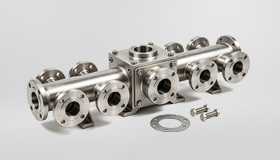
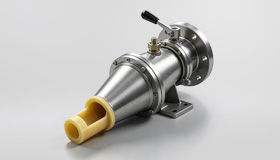
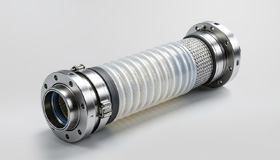
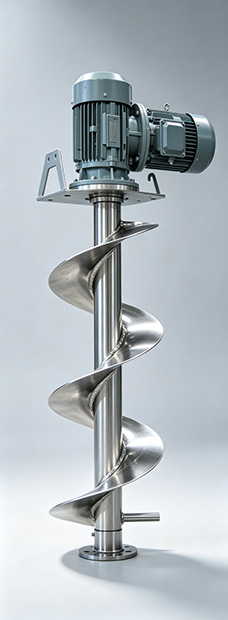
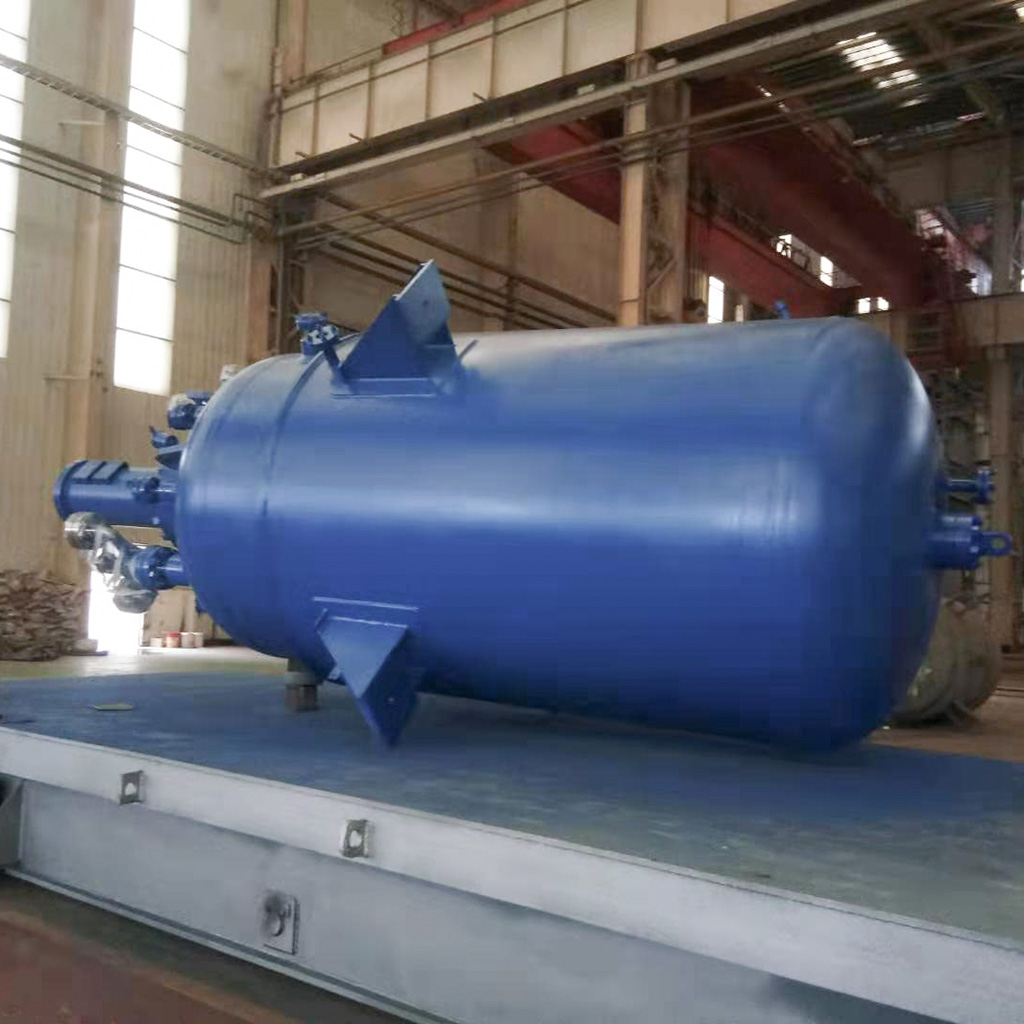
Sorbitol Hydrogenation Reactor
The sorbitol hydrogenation reactor is a gas-liquid-solid three-phase high-pressure vessel in which an aqueous glucose solution is catalytically hydrogenated under high pressure over a Raney nickel or ruthenium catalyst to produce sorbitol. It is core hydrogenation equipment in the sugar alcohol industry, available as batch reactors (mainstream), semi-continuous, and continuous units.
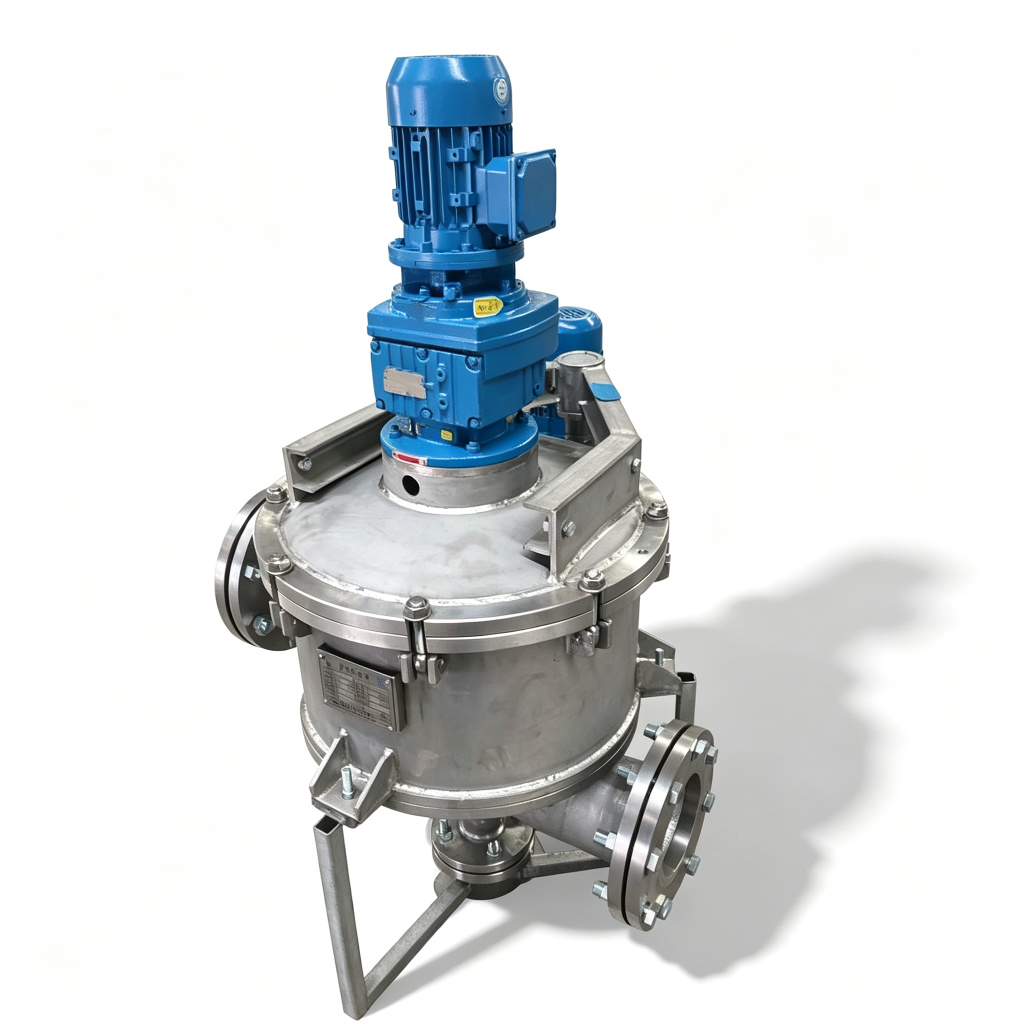
Rotary Filter
Also known as a brush-type self-cleaning filter, this is an inline self-cleaning filtration device that uses a built-in rotating brush to scrape the screen mechanically, allowing continuous filtration with automatic brushing and blowdown without stopping the machine or removing the screen. It falls into two main categories: hand-cranked and fully automatic electric.
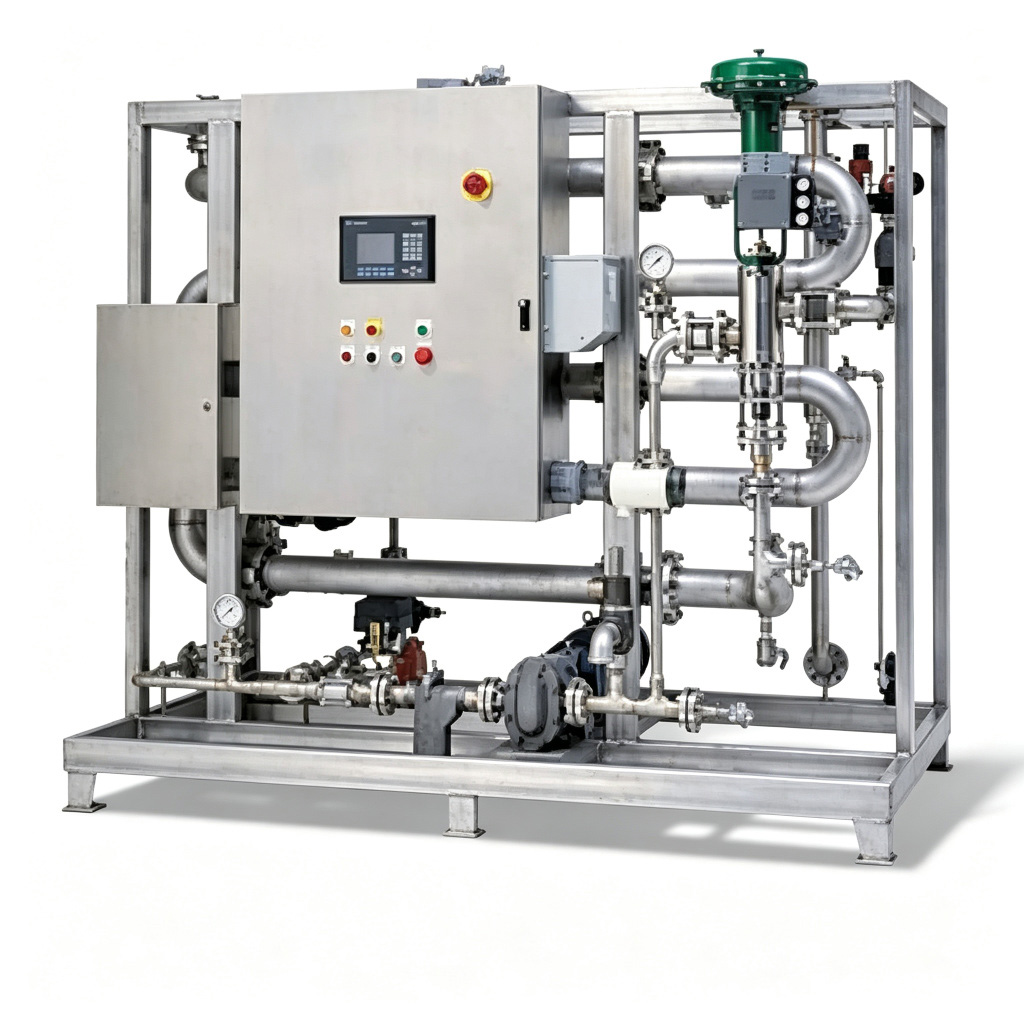
Liquefaction Skid-Mounted Unit
Corn starch liquefaction equipment is used in the production of starch sugar, alcohol, monosodium glutamate, citric acid, and the like. High-temperature-resistant α-amylase is used to gelatinize and degrade corn starch granules into dextrin, reducing the viscosity of the mash and preparing it for subsequent saccharification or fermentation. The mainstream configuration is the continuous jet liquefaction system (most commonly used in industry).
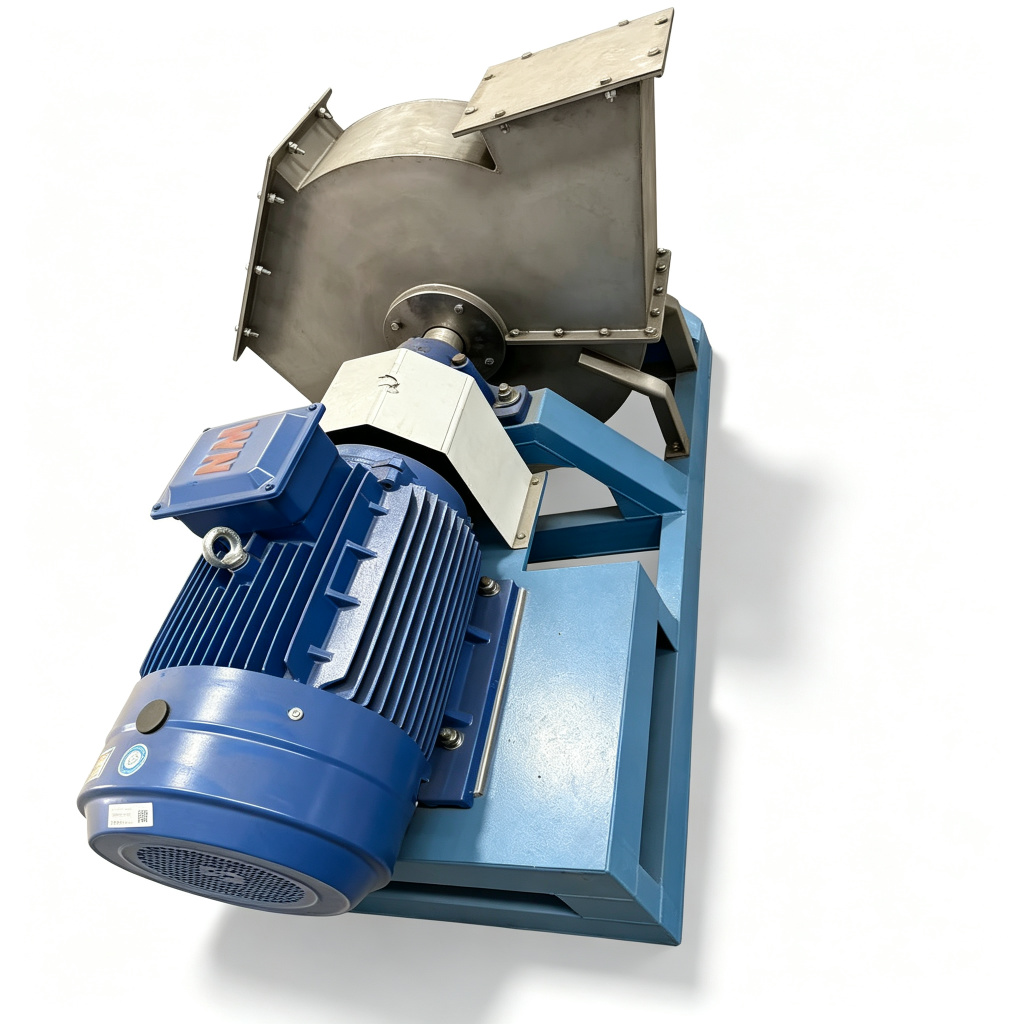
Lift Feeder
The starch drying lift (also called a lift feeder or dispersing lifter) is the core feeding and dispersing equipment in a starch flash-air drying system. It is designed specifically to handle caked wet starch filter cake, breaking up the wet material and throwing it into the hot air drying duct to prevent pipe blockage and caking, ensuring instant flash drying.
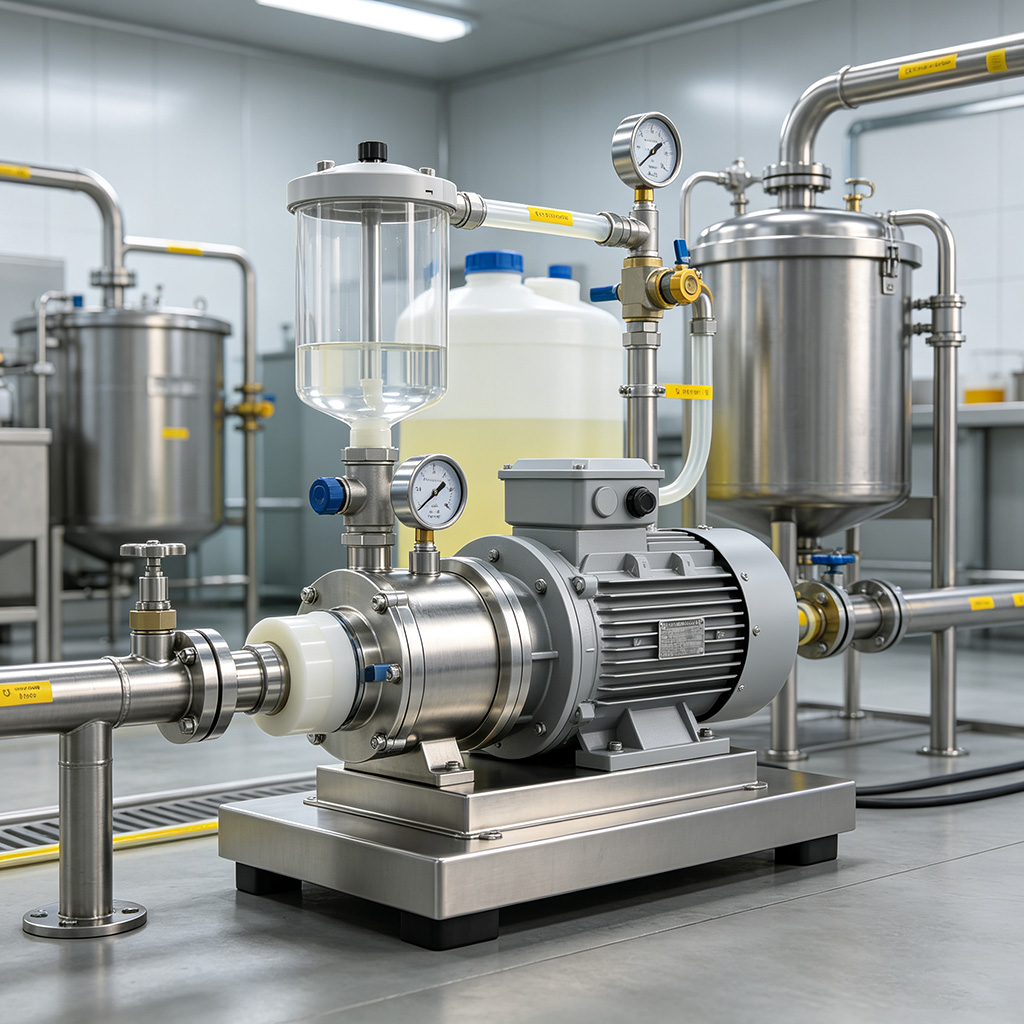
Sulfurous Acid Dosing Pump
Diaphragm metering pump, core chemical‑dosing spare unit for corn steeping section for quantitative sulfurous‑acid solution injection.
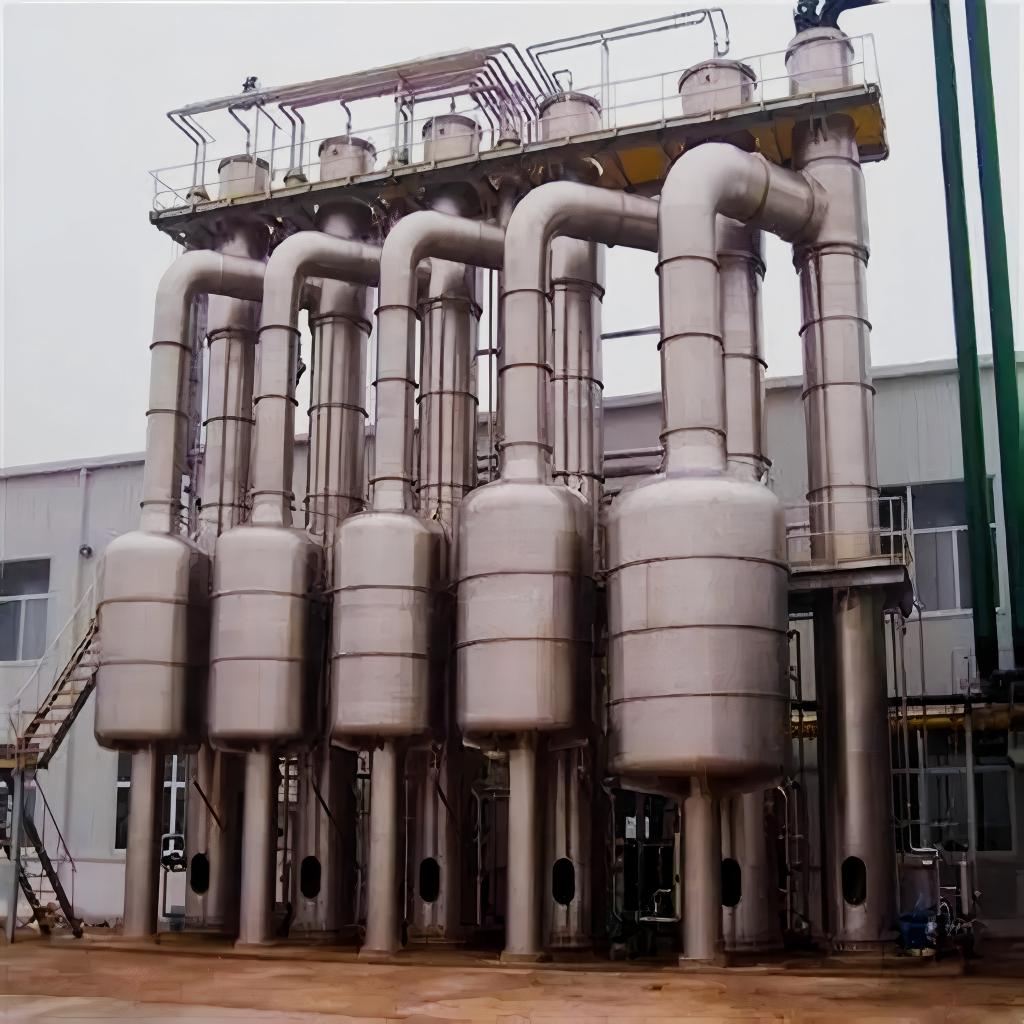
Evaporator Separator
Vapor liquid separation unit for evaporation systems. After boiling, process liquor enters the separator to achieve separation between liquid phase and secondary steam, lowering material entrainment loss caused by liquid mist carried within steam flow.
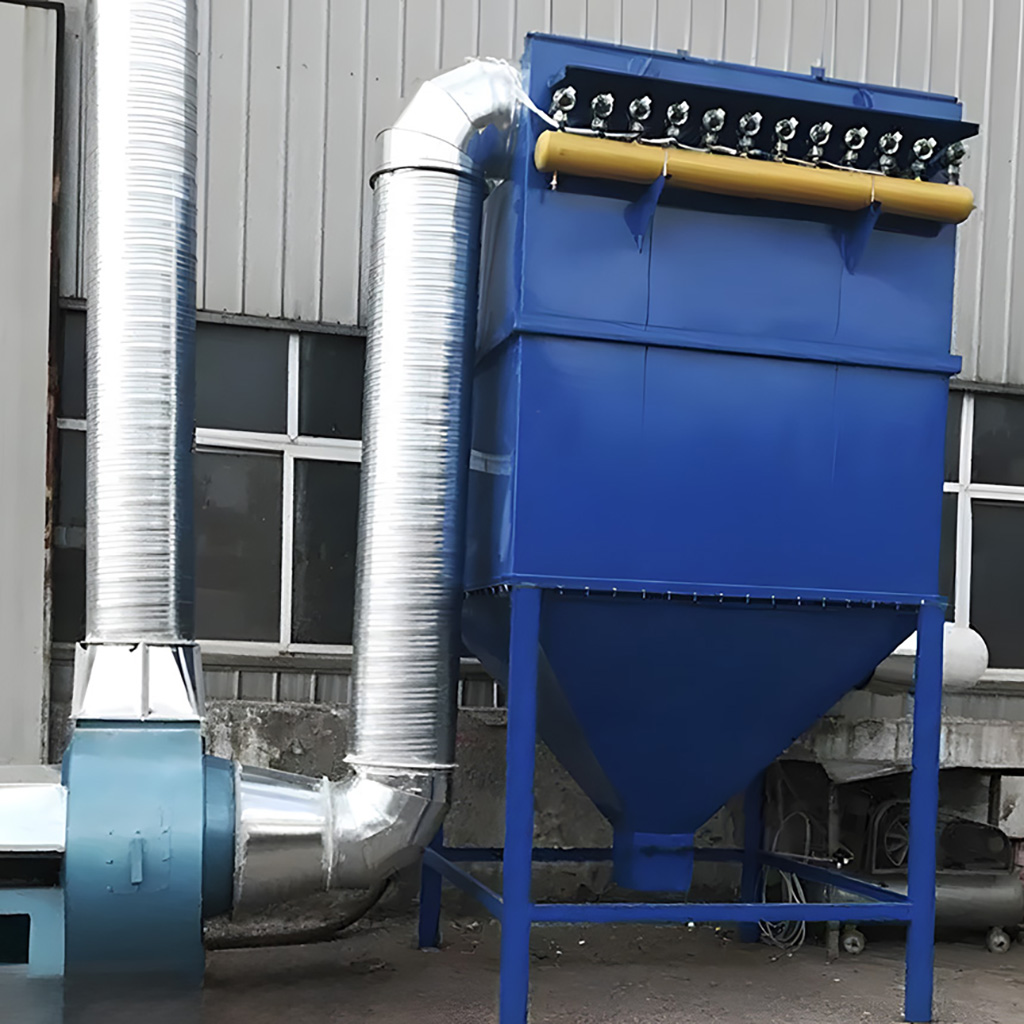
Bag Dust Collector
Industrial dust treatment; treatment concentration 90%, purification rate 99%
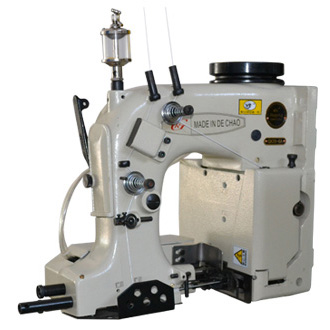
Bag Sewing Machine Head
Core sealing assembly for big bag packaging production lines. Mounted above the conveyor frame, it performs high speed sewing closure for woven bags, paper plastic composite bags and kraft paper bags filled with modified starch. It prevents starch dust leakage and moisture ingress. Interfaced with quantitative packaging scales and conveying equipment to deliver continuous automatic bag sewing operations.
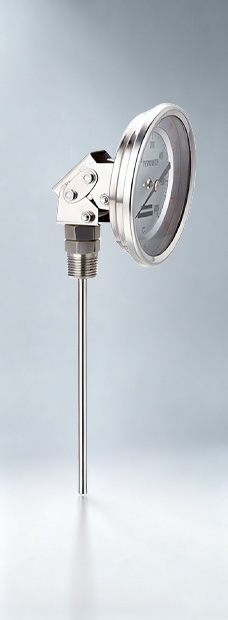
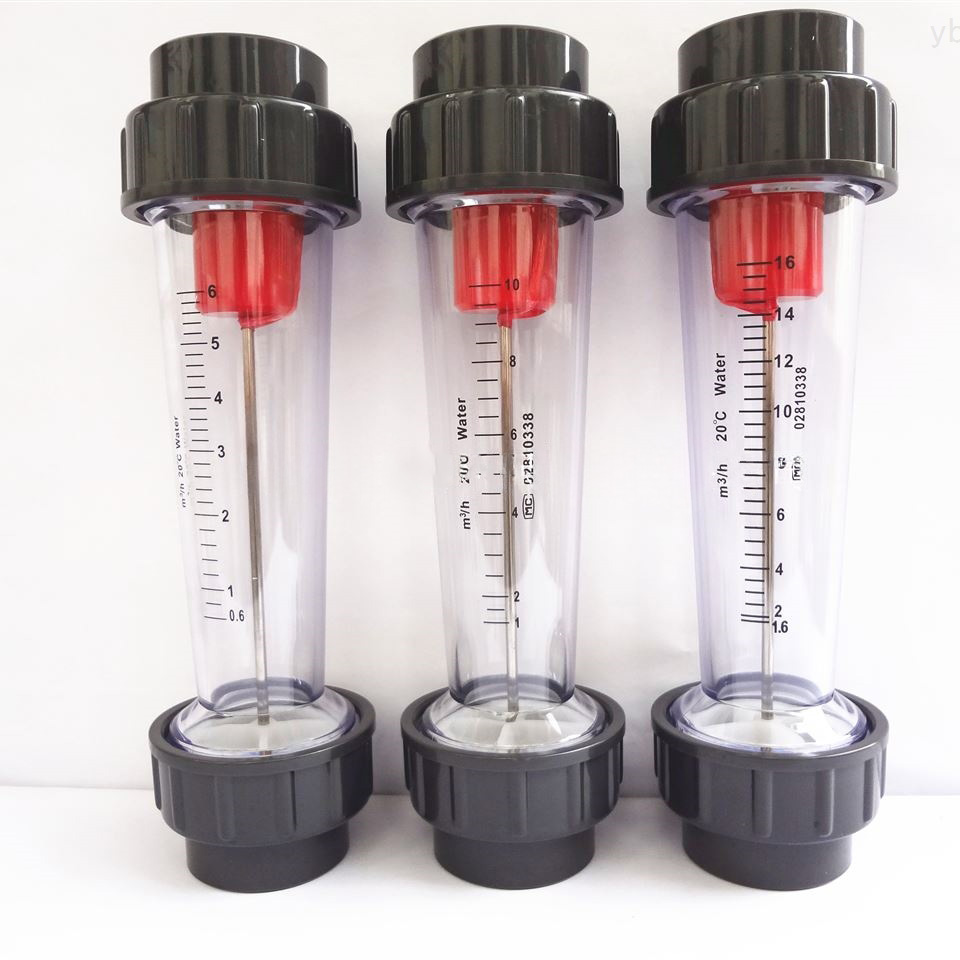
Float Flowmeter
Used in chemical, pharmaceutical, water treatment, air compressor gas, laboratory equipment, and analytical instrument applications to measure small and medium flow rates of clean media such as water, acid and alkali solutions, air, and nitrogen.
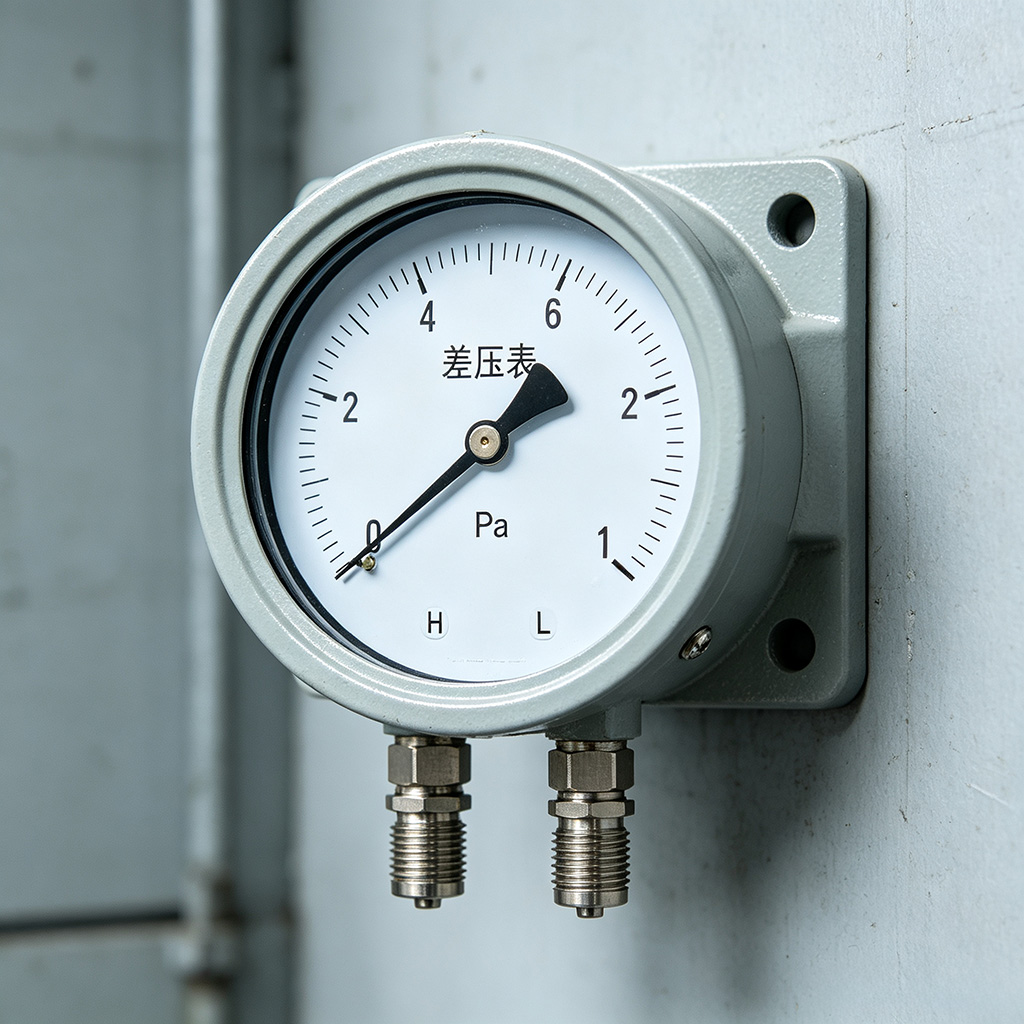
Differential Pressure Gauge
Local‑mounted indicating instrument for measuring pressure difference between two process points. Available in mechanical pointer‑type and digital‑display variants. It provides direct differential‑pressure readouts without additional calculation, and is deployed within dust‑removal & filtration systems to monitor filter‑resistance variations.
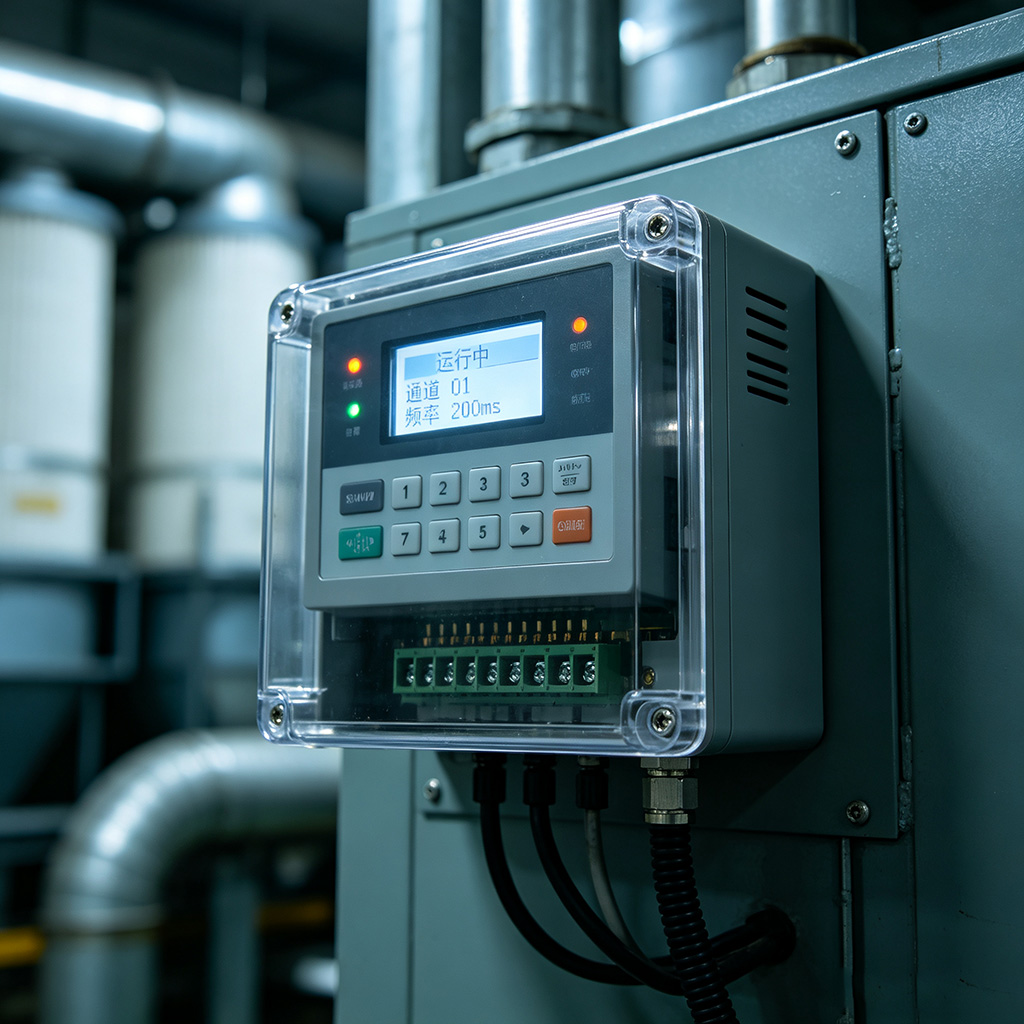
Controller
Core electrical control component for bag‑house / cartridge dust collectors. Sequentially triggers electromagnetic pulse‑jet valves for cyclic blow‑off to complete automatic filter‑bag cleaning. Maintains stable dust‑collector differential‑pressure and nominal dust‑removal efficiency. Popular series: QYM, DMK, TKZM. Output channels: 1‑36 configurable. Input AC 220 V; output DC 24 V / AC 220 V. Control modes available: time‑based control, differential‑pressure intelligent control, on‑line cleaning, off‑line compartment cleaning (with lifting valves).
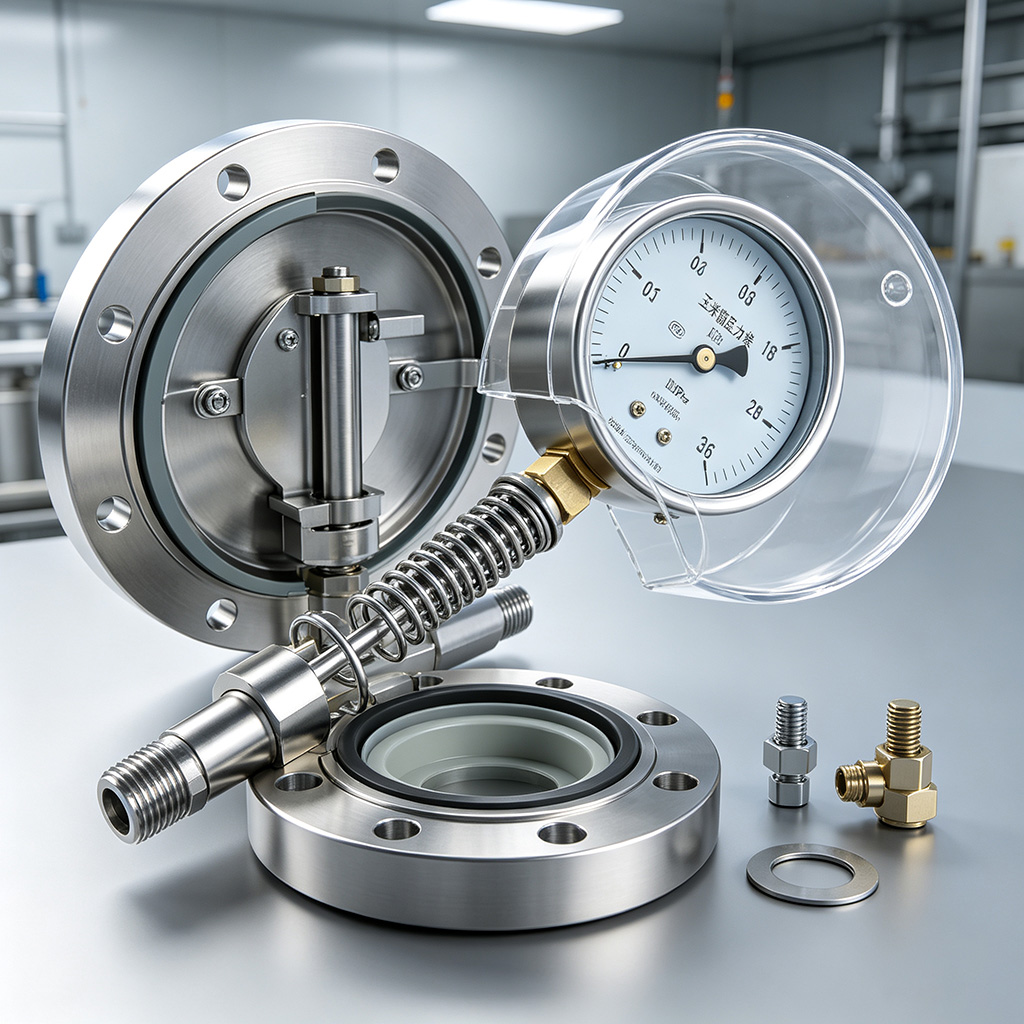
Pressure Gauge (Diaphragm)
Critical monitoring instrument for corn‑starch desanding units. Diaphragm barrier physically isolates starch slurry from gauge internal movement, delivering accurate pressure indication while blocking clogging and mechanical damage from starch solids, fine sand and fibers.
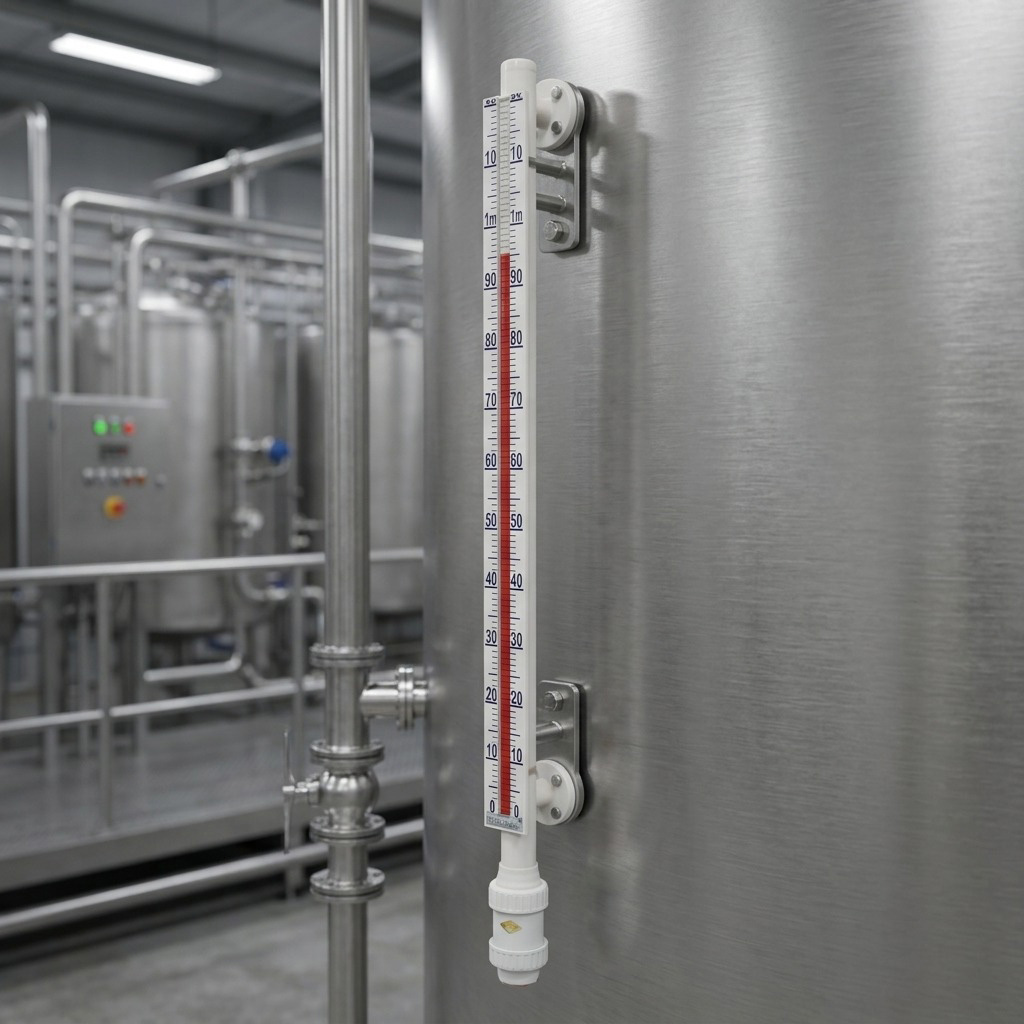
Level gauge (magnetic float)
Side‑wall mounted instrument for corn steeping tanks, providing local real‑time level indication for sulfurous acid steep liquor. Optional high‑/low‑level alarm switches and 4‑20 mA remote transmitter feed signals to central‑control PLC, realizing interlocked control for feeding, circulation and discharging and preventing tank overflow or pump dry‑running. It replaces traditional glass‑tube level gauges and eliminates poor visibility from scaling plus glass‑breakage hazards, acting as standard instrumentation for corn steeping systems.
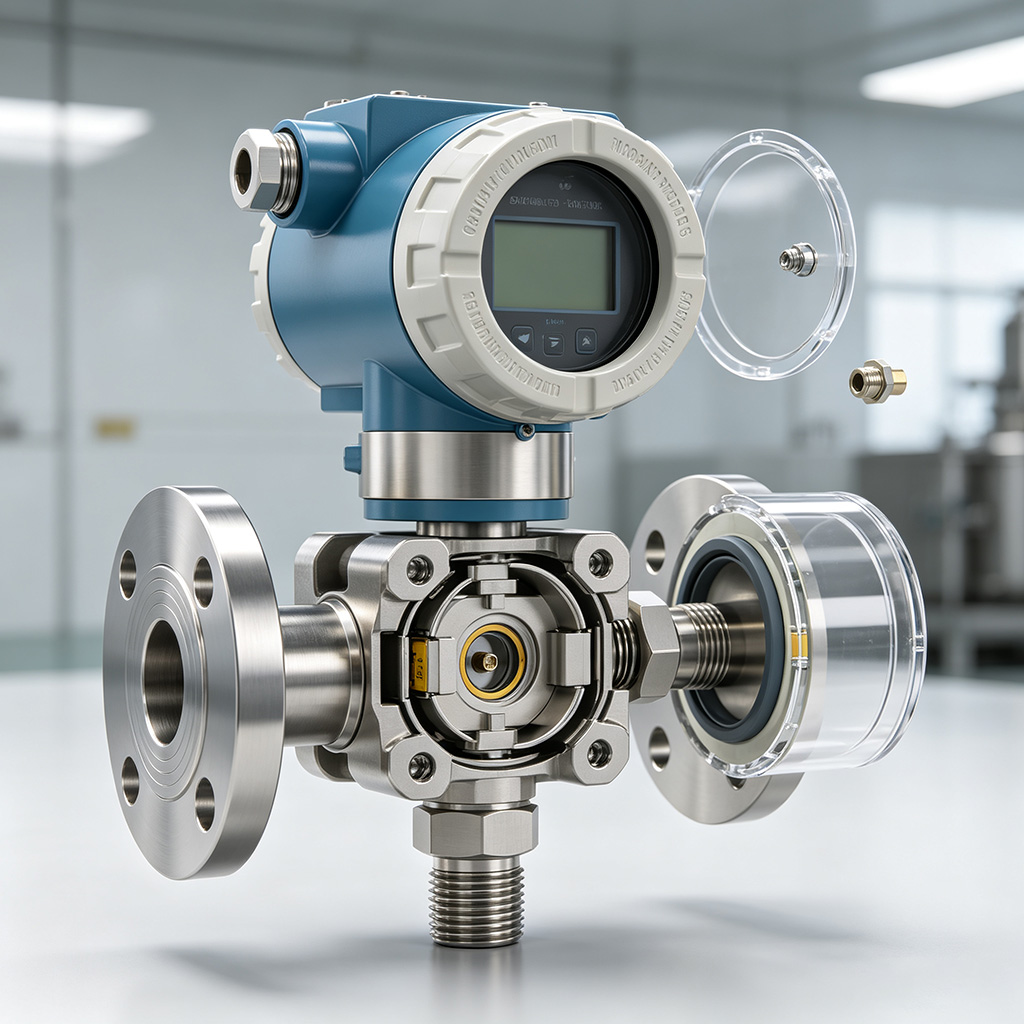
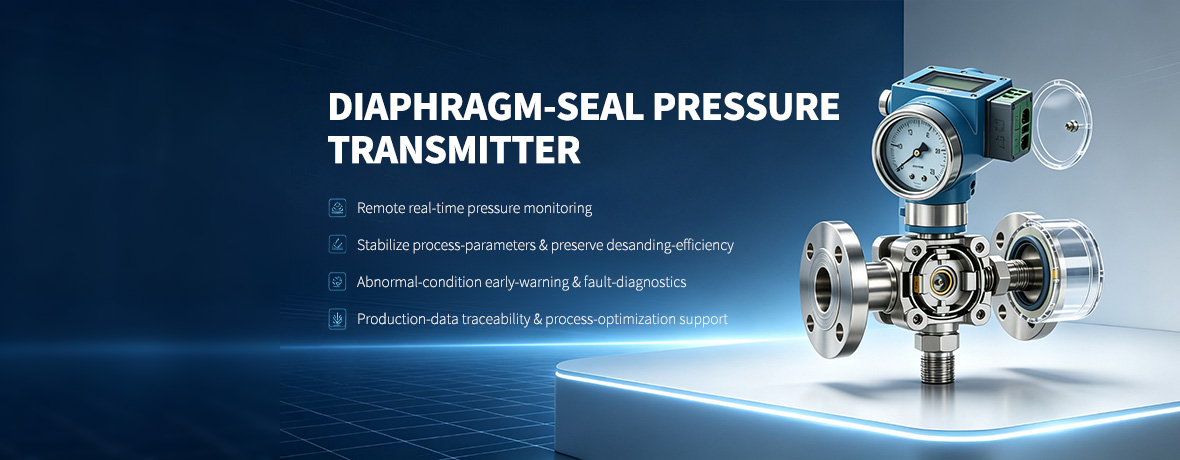
Diaphragm‑Seal Pressure Transmitter
Automated pressure‑monitoring instrument for desanding‑system workflows. Diaphragm‑isolated pressure transmitters are industry‑standard hardware within corn‑starch‑manufacturing plants. Converts hydrocyclone‑pipeline slurry‑pressure measurements into standard electrical‑signal output, remotely transmitting data to plant‑PLC / DCS automation systems. Enables real‑time pressure display, historical‑data logging, high‑low‑limit alarm triggering and automatic closed‑loop‑process‑control. Core instrument spare‑part supporting stable automated desanding‑section‑operation.
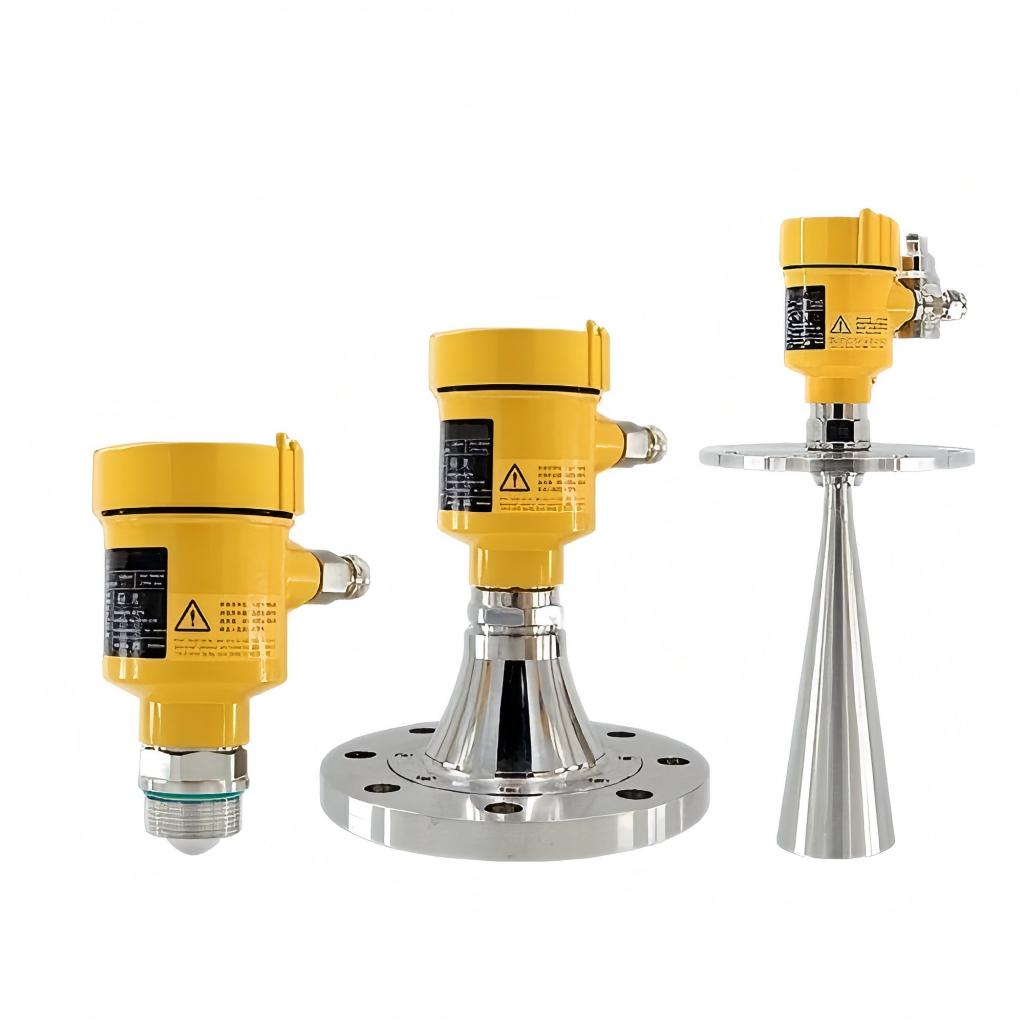
Liquid Level Controller
Liquid level detection & control element for evaporation equipment. Real time monitoring of liquid height inside separators and process tanks; outputs control signals to regulate feed & discharge flow and stabilise liquid level set points across evaporation system.
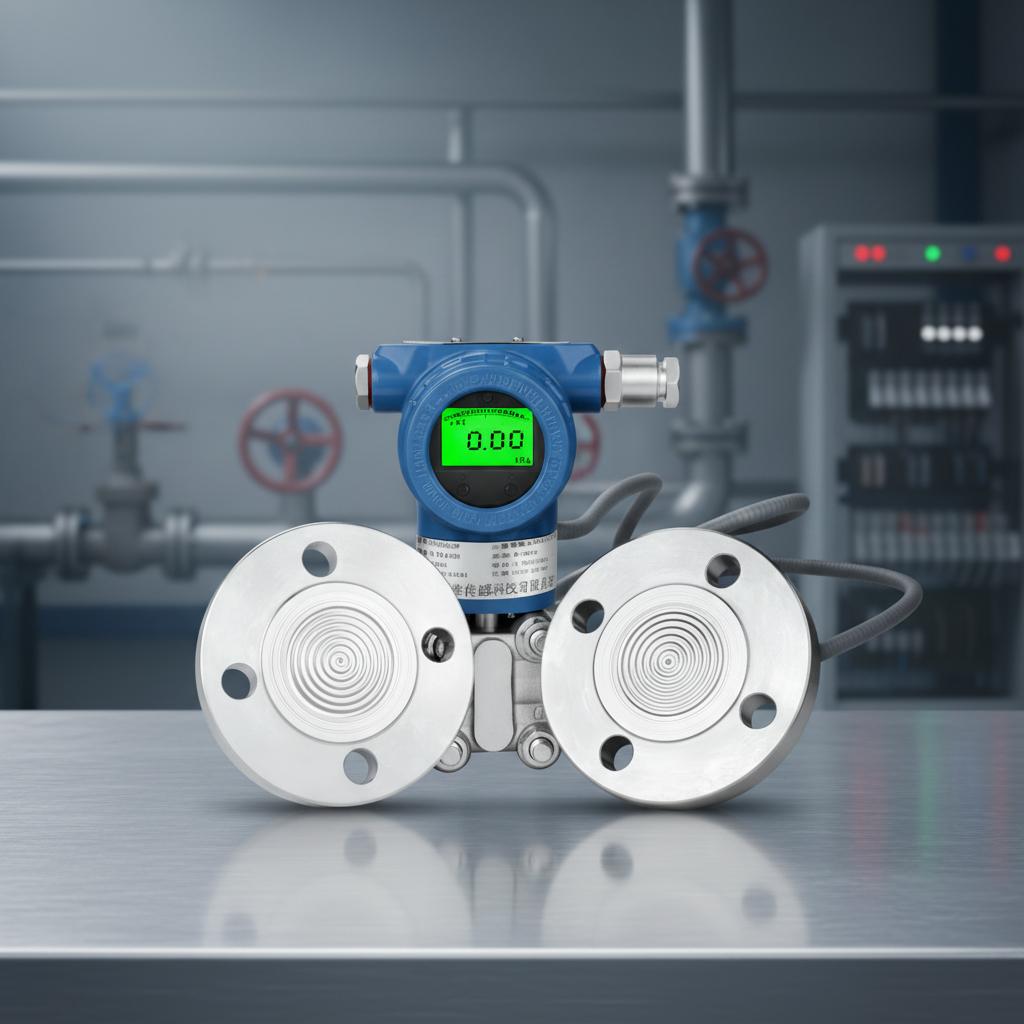
Differential Pressure Transmitter
Detects pressure difference between dust‑collector inlet and outlet to identify clogged filter bags.
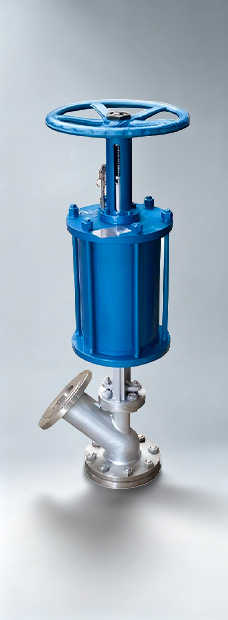
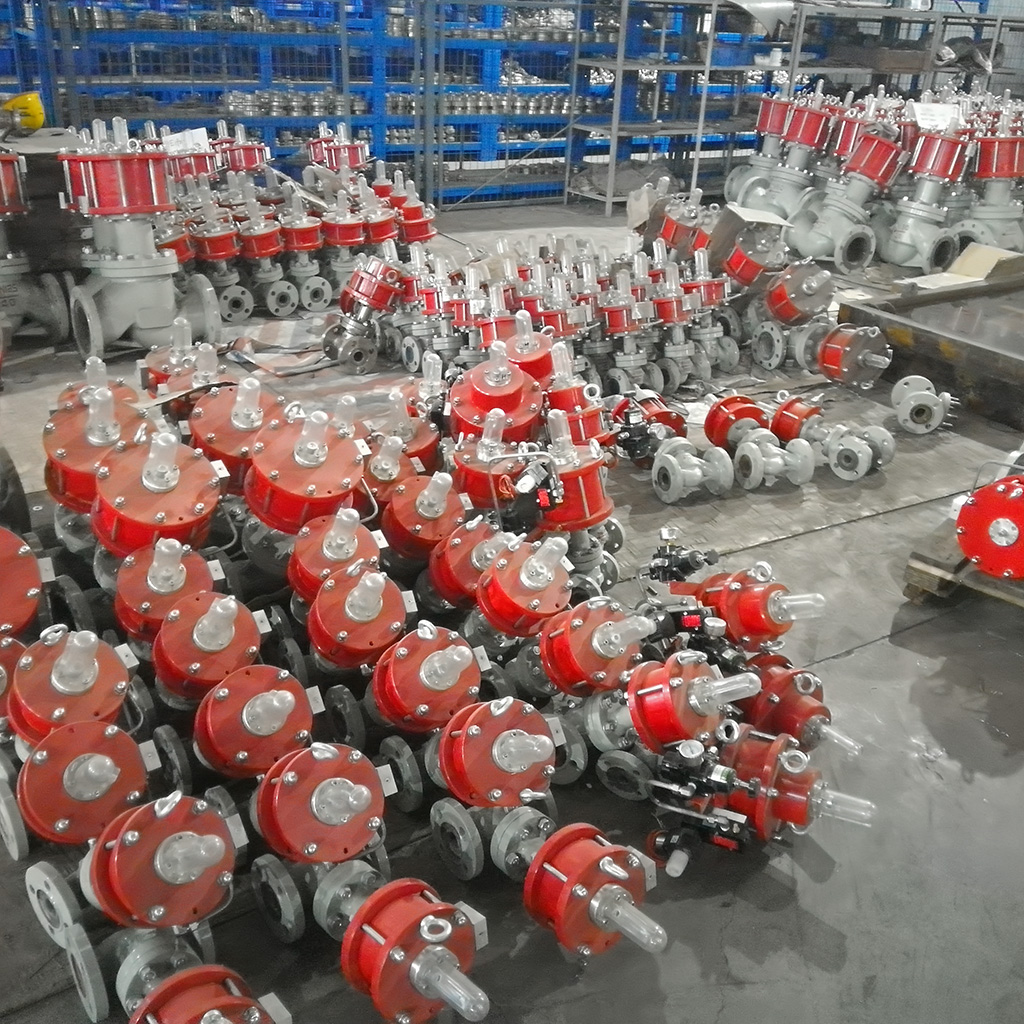
PSA Programmable Valve
PSA stands for Pressure Swing Adsorption, a process used for hydrogen production, nitrogen production, oxygen production, and CO₂ recovery. PSA valves generally refer to dedicated programmable valves for PSA systems, which are the core components of a PSA unit. They are switched at high frequency under PLC/DCS control to complete the sequential switching of adsorption, pressure equalization, forward release, reverse release, and purging.
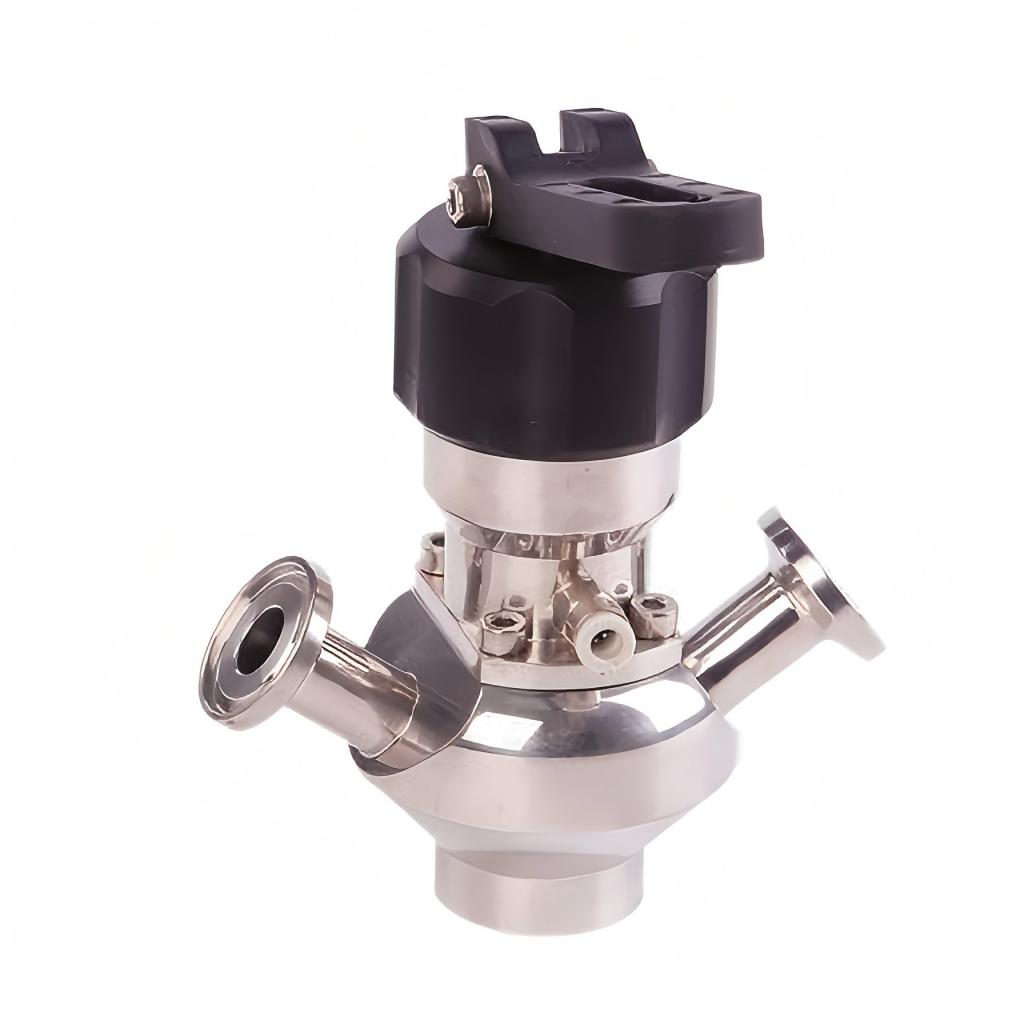
Aseptic Sampling Valve
Mounted on fermenter side wall for sterile broth sampling during fermentation. Samples are taken for dissolved‑oxygen, pH and cell‑density testing. It prevents foreign bacterial ingress and avoids cross‑contamination of the entire tank batch.
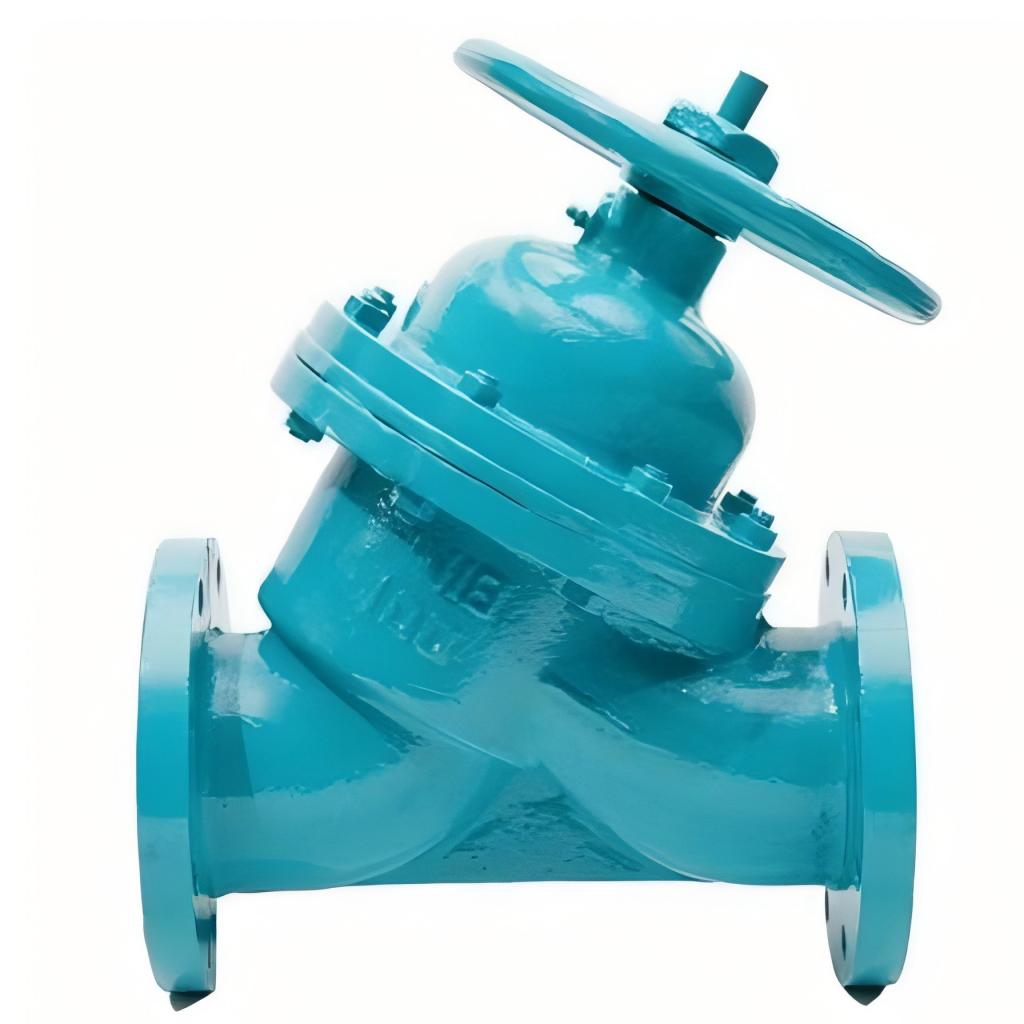
Tank Bottom Diaphragm Valve
Mounted at the lowest point of fermenter for broth discharge, tank draining and bottom CIP waste removal. Flush‑mounted dead‑zone‑free design prevents material buildup and microbial contamination; compatible with SIP / CIP processes.
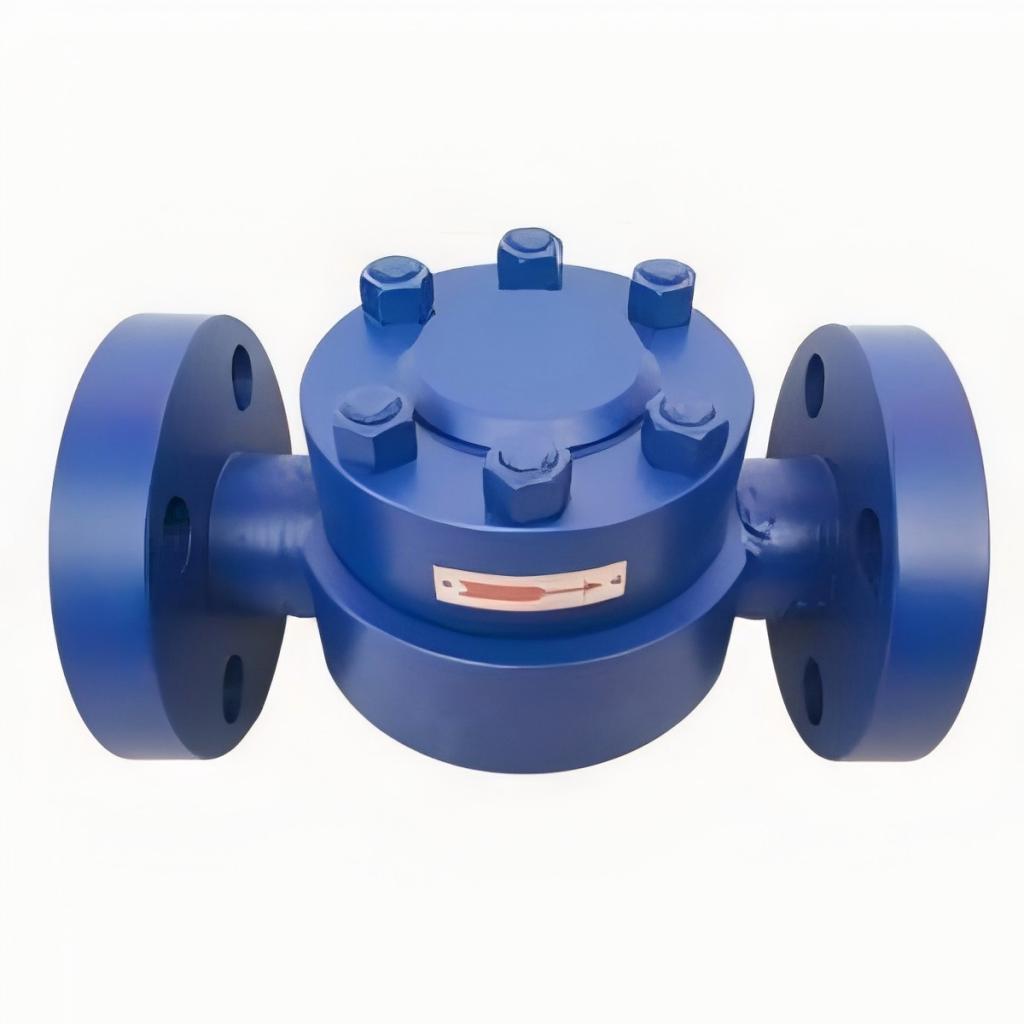
Steam trap
A component for sterilization piping that automatically discharges condensate while preventing steam loss, maintaining stable sterilization temperature.
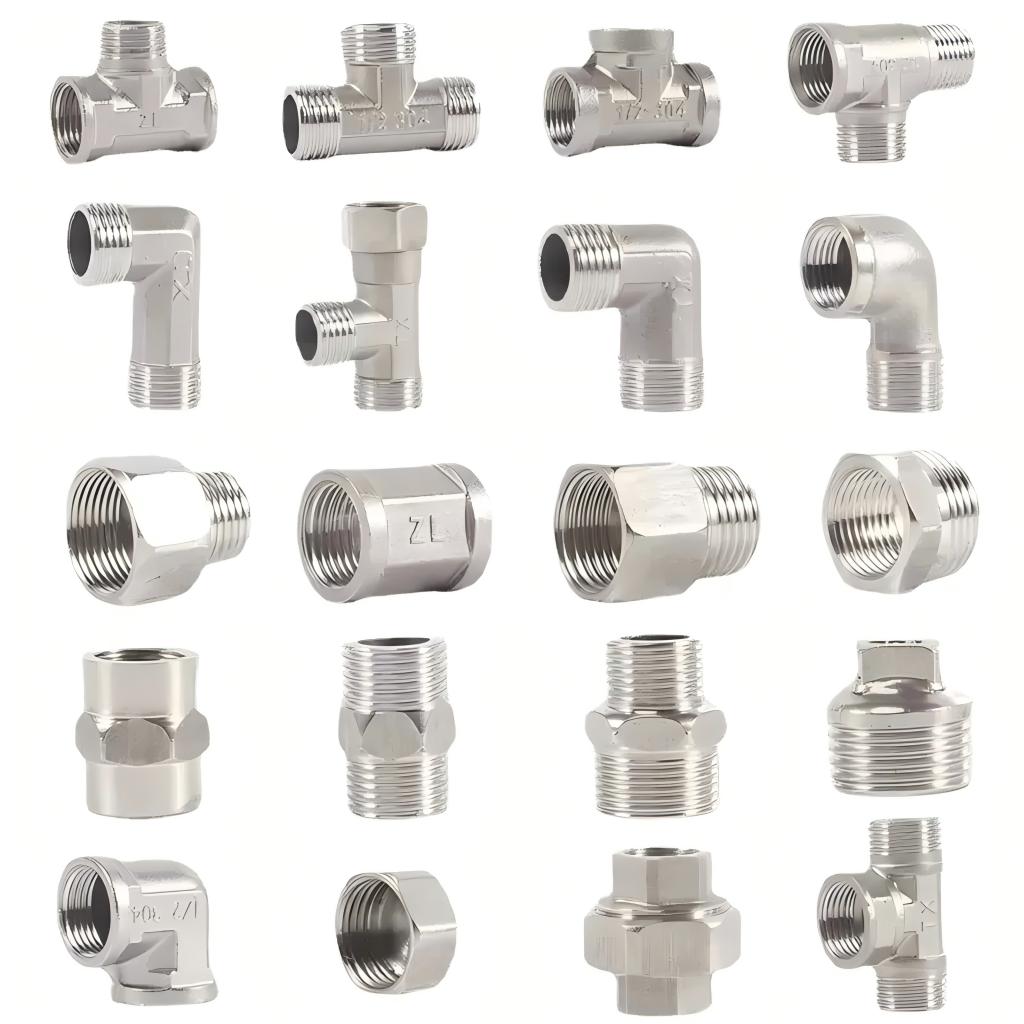
Stainless Steel Pipe Fittings
Aseptic connectors for fermentation air pipelines are used to join pipes, filter housings, and valves, providing sanitary-grade sealing and preventing leakage and the intrusion of foreign bacteria.
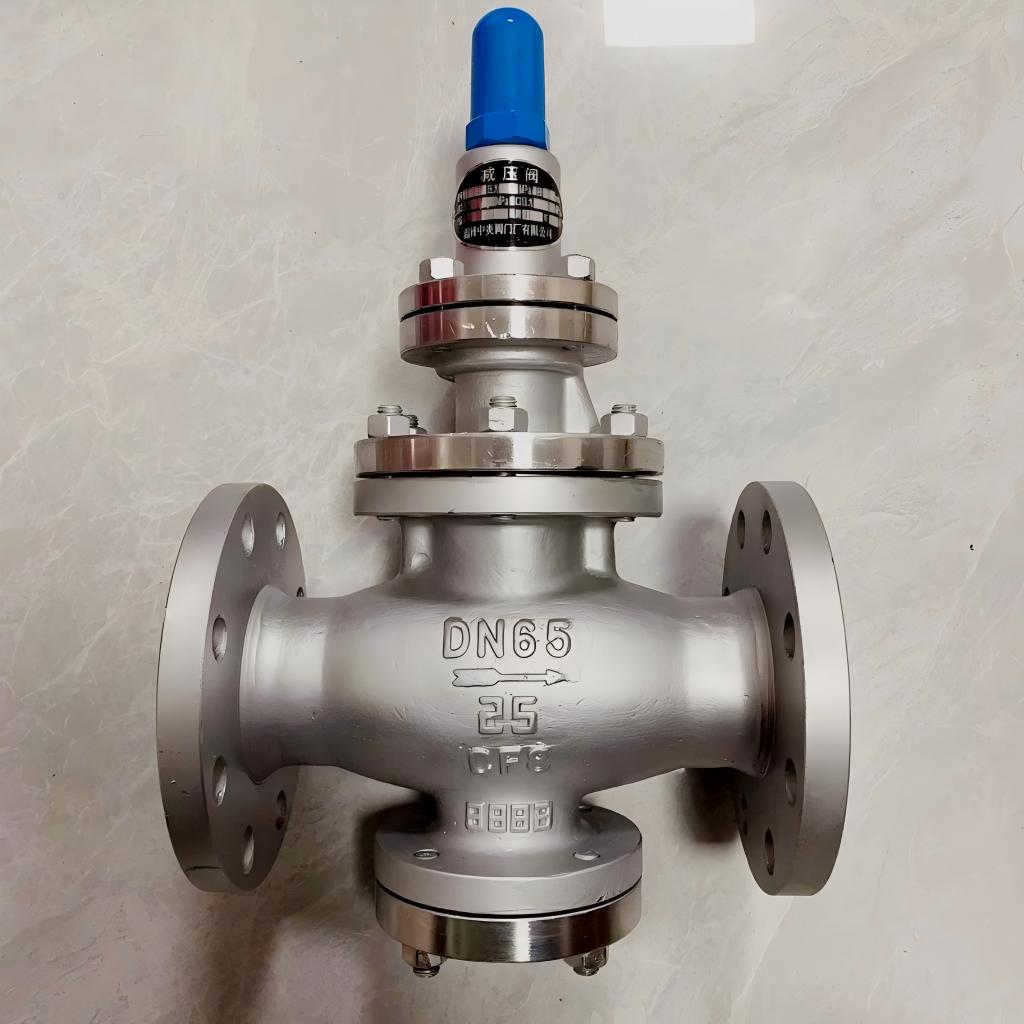
Air Pressure Reducing Valve
The pressure regulating component of the fermentation air system steadily reduces the upstream high-pressure compressed air to the working pressure required by the process, maintains a stable inlet air pressure for the fermenter, and protects the downstream filter element and tank from overpressure damage.
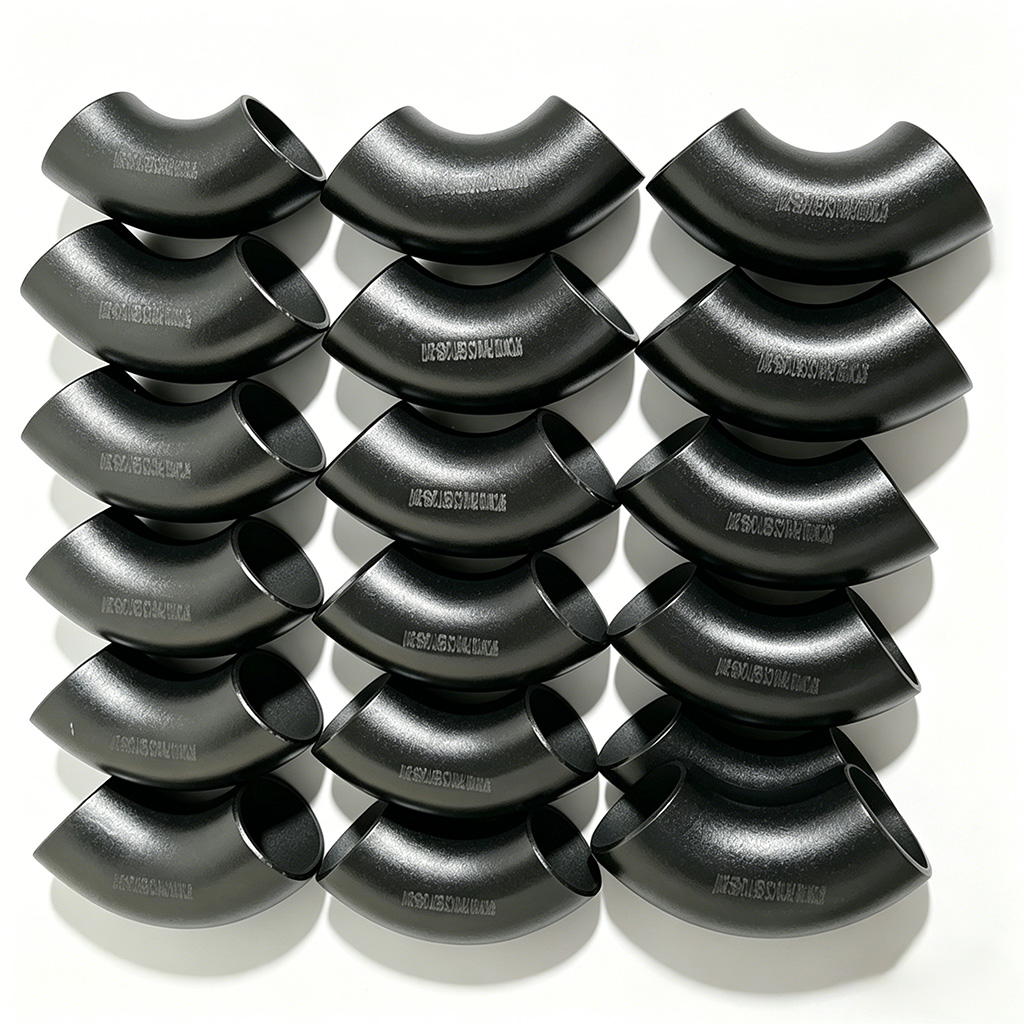
Elbow
Elbow is the core steering connecting piece of internal pipeline and fluid transmission system of all kinds of equipment, which directly determines the layout rationality, operation stability and service life of equipment piping. It is suitable for mechanical processing, engineering machinery, power equipment and other mechanical scenes.
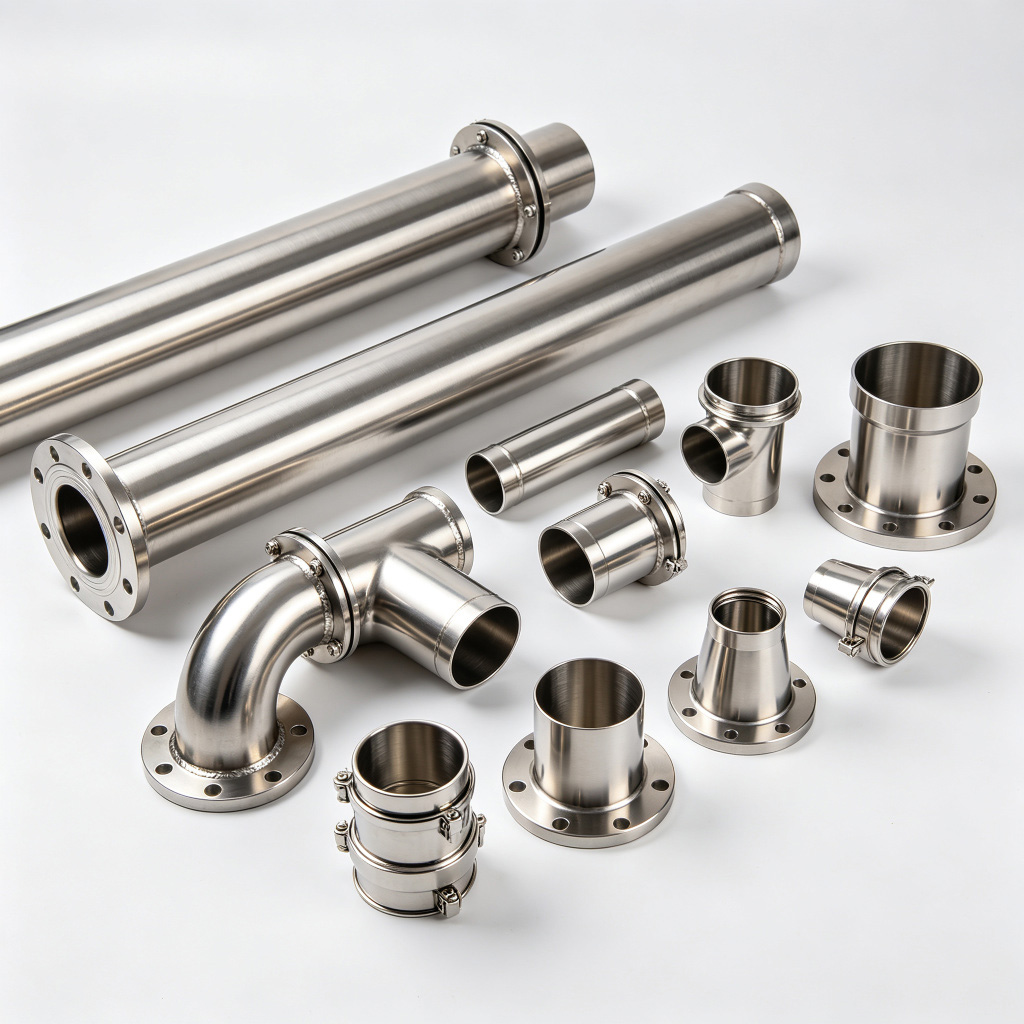
Conveying Pipeline
Referred to as pneumatic conveying pipe, the
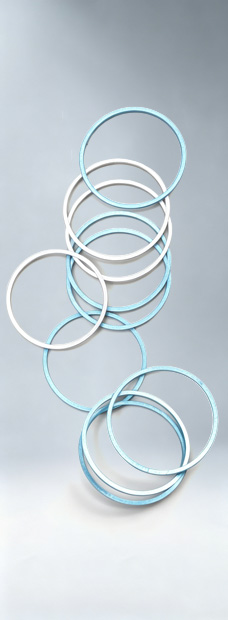
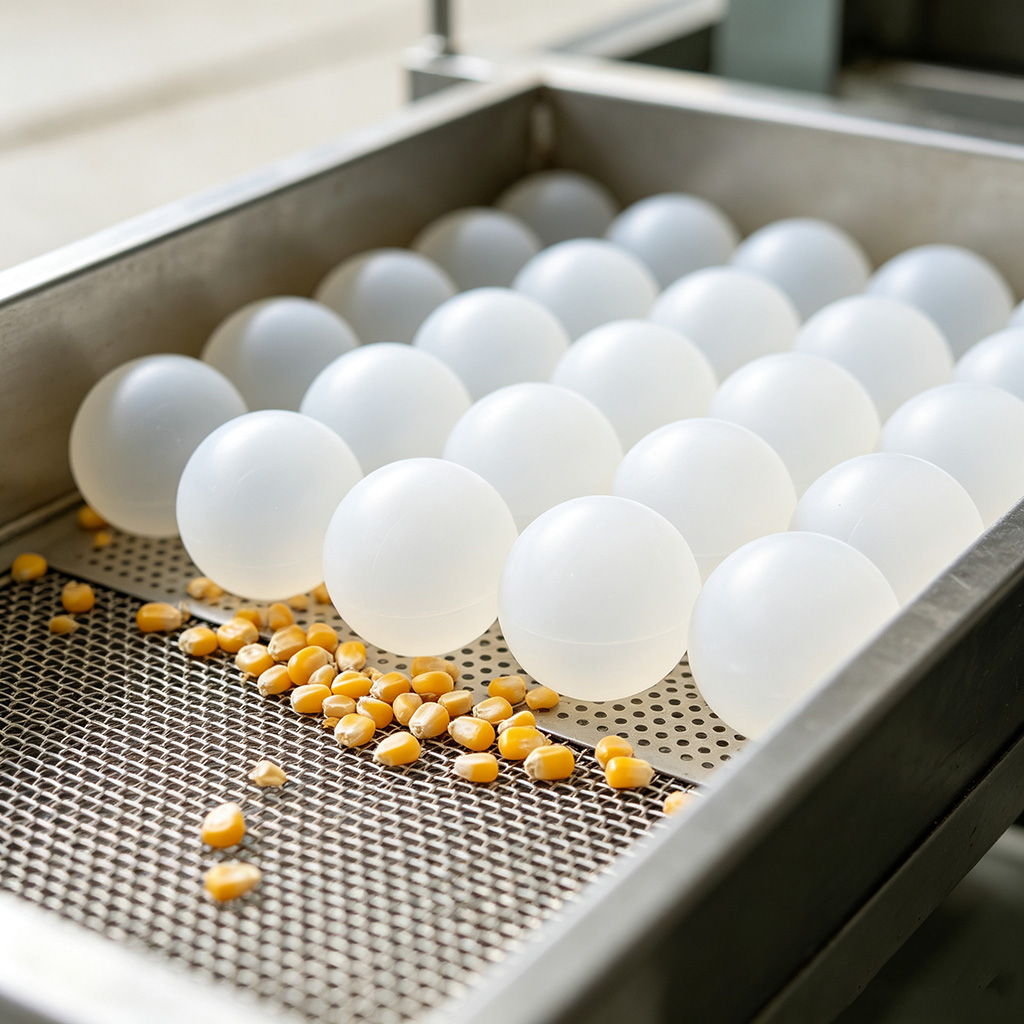
Rubber Ball
The rubber bouncing ball (screen cleaning ball) of the vibrating screen is a wear-prone accessory for corn linear cleaning vibrating screens and is placed between the screen frame and the perforated support mesh. Relying on the vibration of the equipment, it continuously bounces up and down and repeatedly strikes the screen mesh to shake off broken corn, corn husks, dust and fine moldy particles stuck in the screen holes. It prevents the screen mesh from clogging and continuously ensures the screening throughput and impurity removal effect, making it an essential self-cleaning accessory for corn raw material pretreatment production lines.
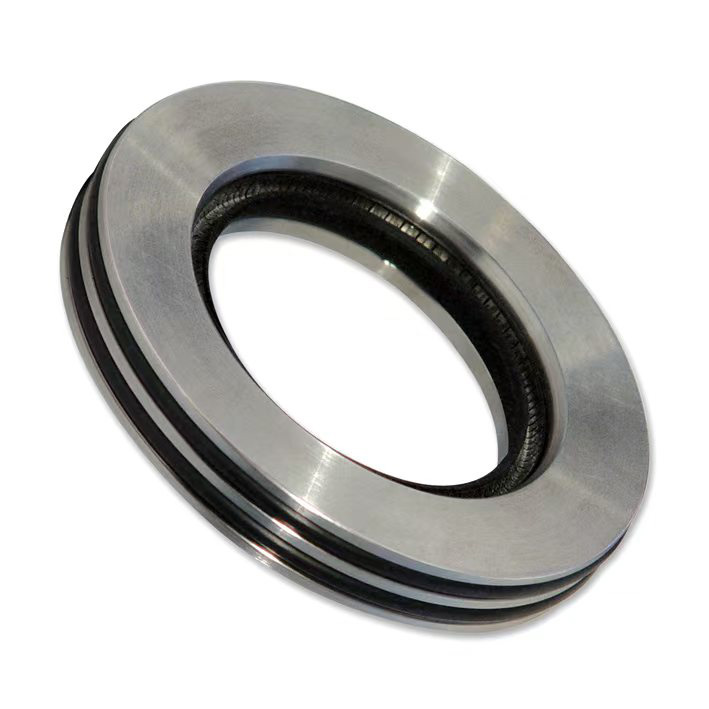
Centrifugal Fan Oil Seal
Oil seals are an important component in the shaft sealing system of centrifugal fans.
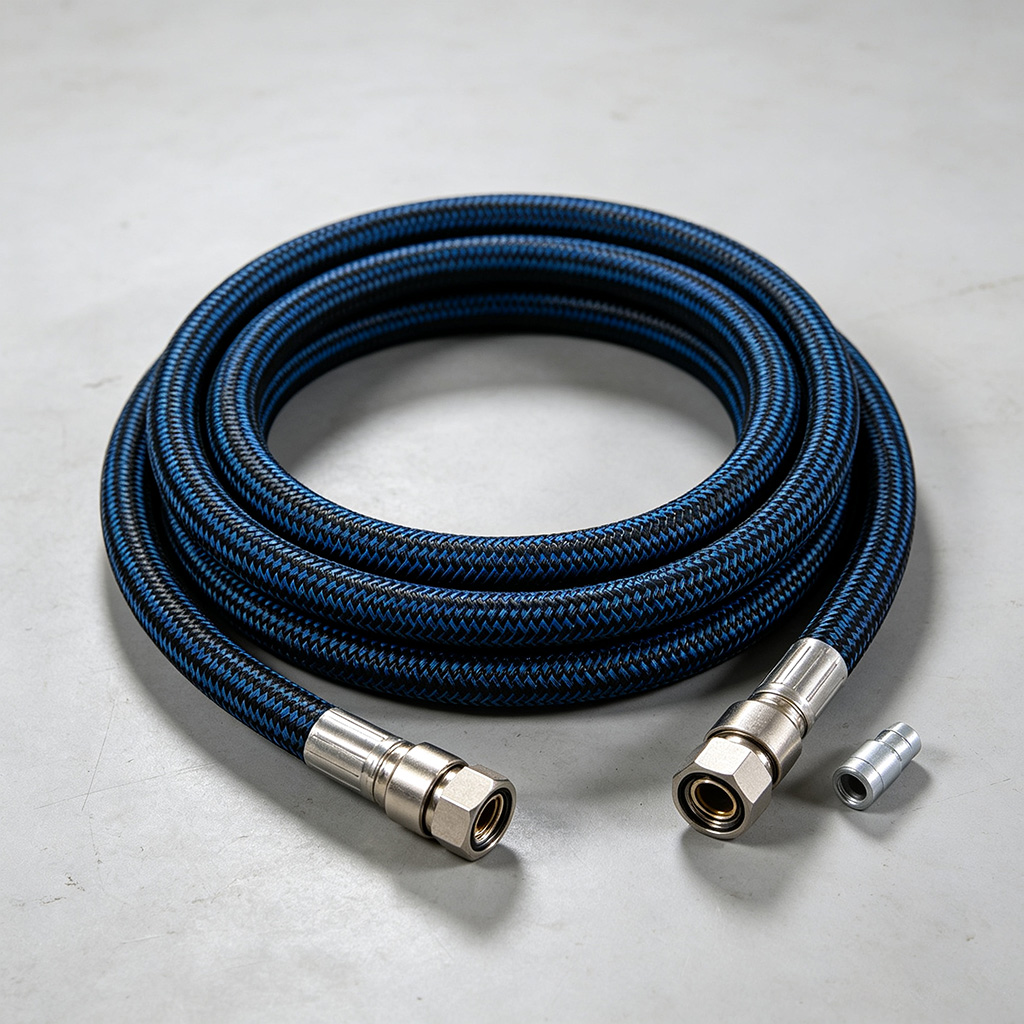
Compressed Air Hose
Flexible pipeline element within pneumatic‑systems for conveying pressurized compressed‑air. Interconnects air compressors, air‑source‑treatment assemblies, valves and pneumatic equipment / actuators. Fundamental component of pneumatic circuits for dust‑removal, chemical‑processing and general production‑lines.
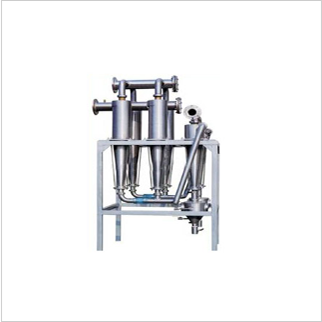
Sand removal cyclone(Hydrocyclone)
Our sand removal cyclone is a new equipment that integrates and absorbs advanced technologies from abroad. It is mainly used in starch production to remove sand, metal particles and other impurities from starch slurry. It is also suitable for removing heavy-phase impurities in other fluids. This equipment has a simple structure and comes with two types of cyclone tubes - stainless steel and ceramic, as well as high-strength wear-resistant plastic. It is designed with advanced technology and easy to install, and has a high sand removal efficiency.
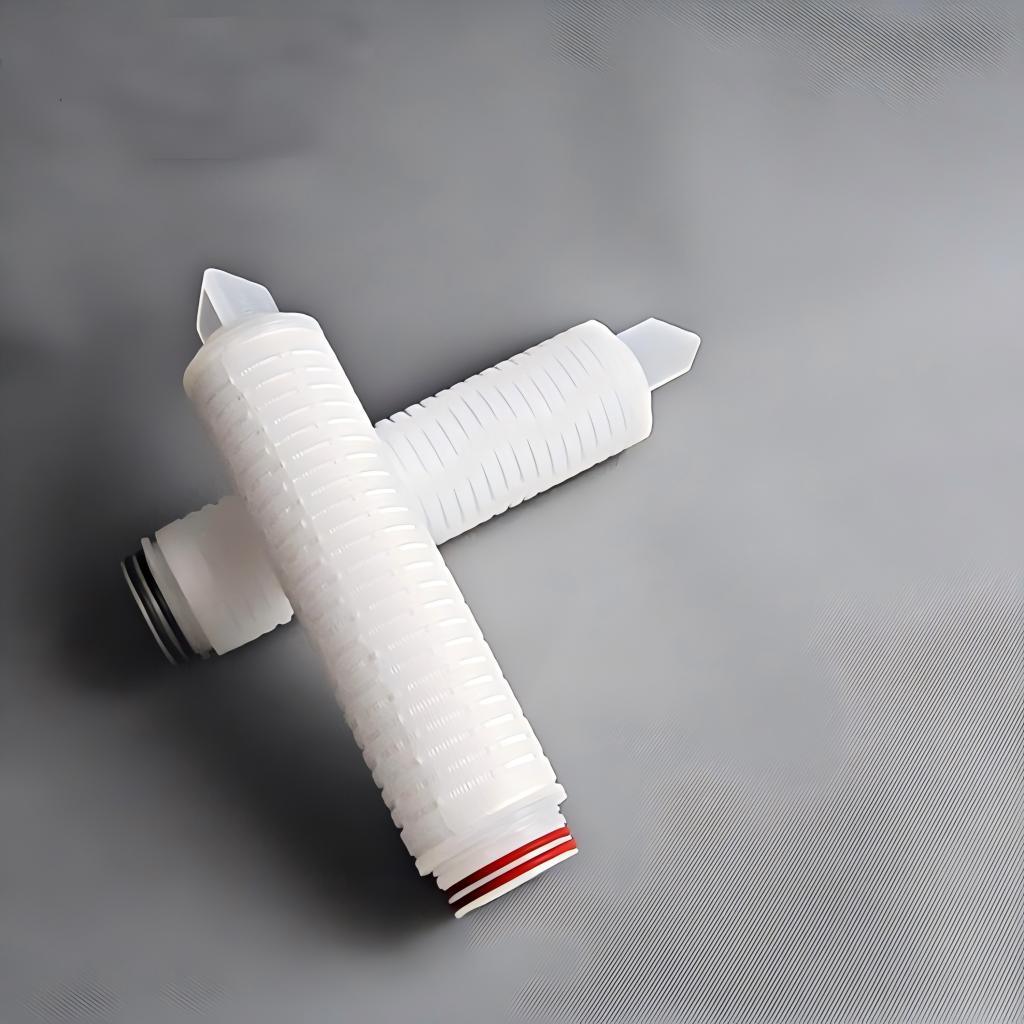
Pre-filter Element
The front-end protective filter element for compressed air removes liquid water, oil mist, and fine solid particles from the compressed air, provides buffering and protection for the downstream sterilization filter element, and reduces the contamination load of the sterilization filter element.
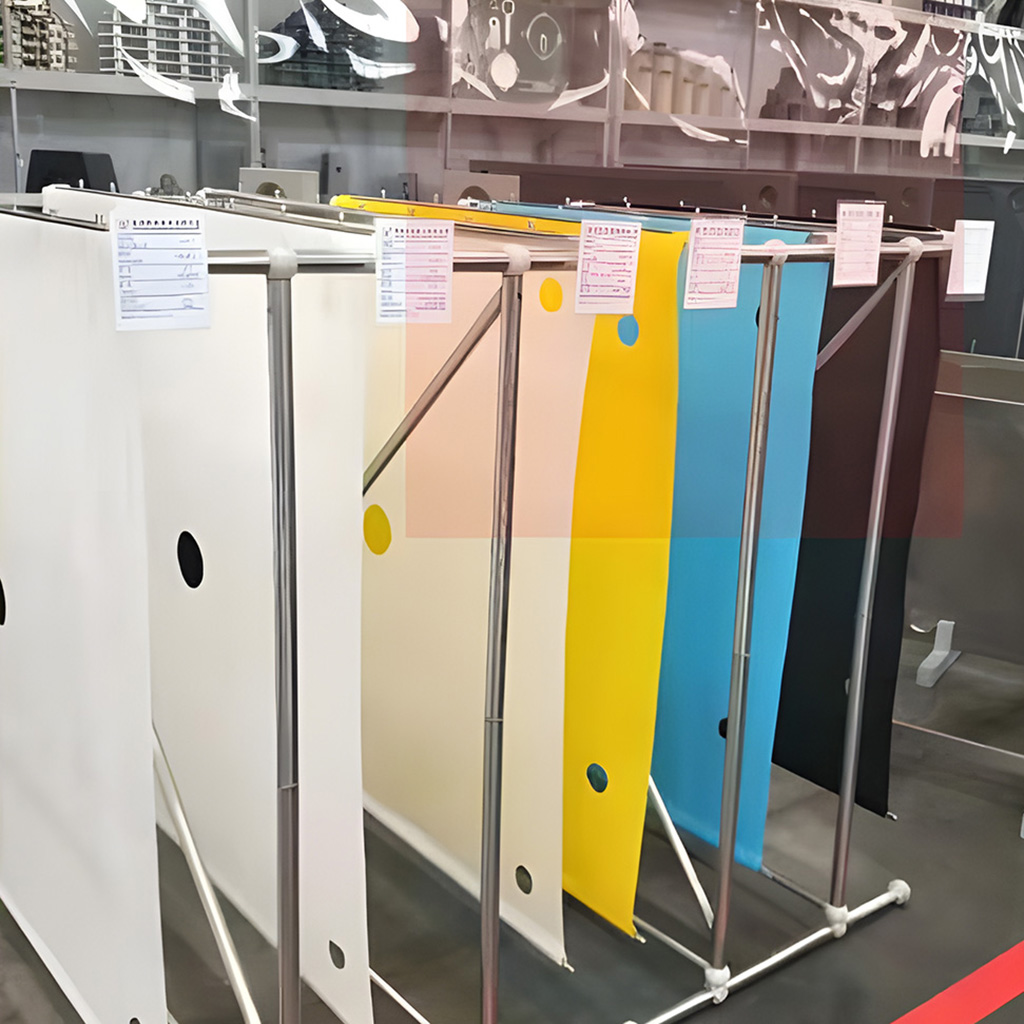
Plate and frame filter press spare parts - filter cloth
The filter cloth is the filtration medium in the plate and frame filter press that directly achieves solid-liquid separation, equivalent to a 'filter screen,' determining the filtration speed, clarity of the filtrate, and the ease of filter cake removal.
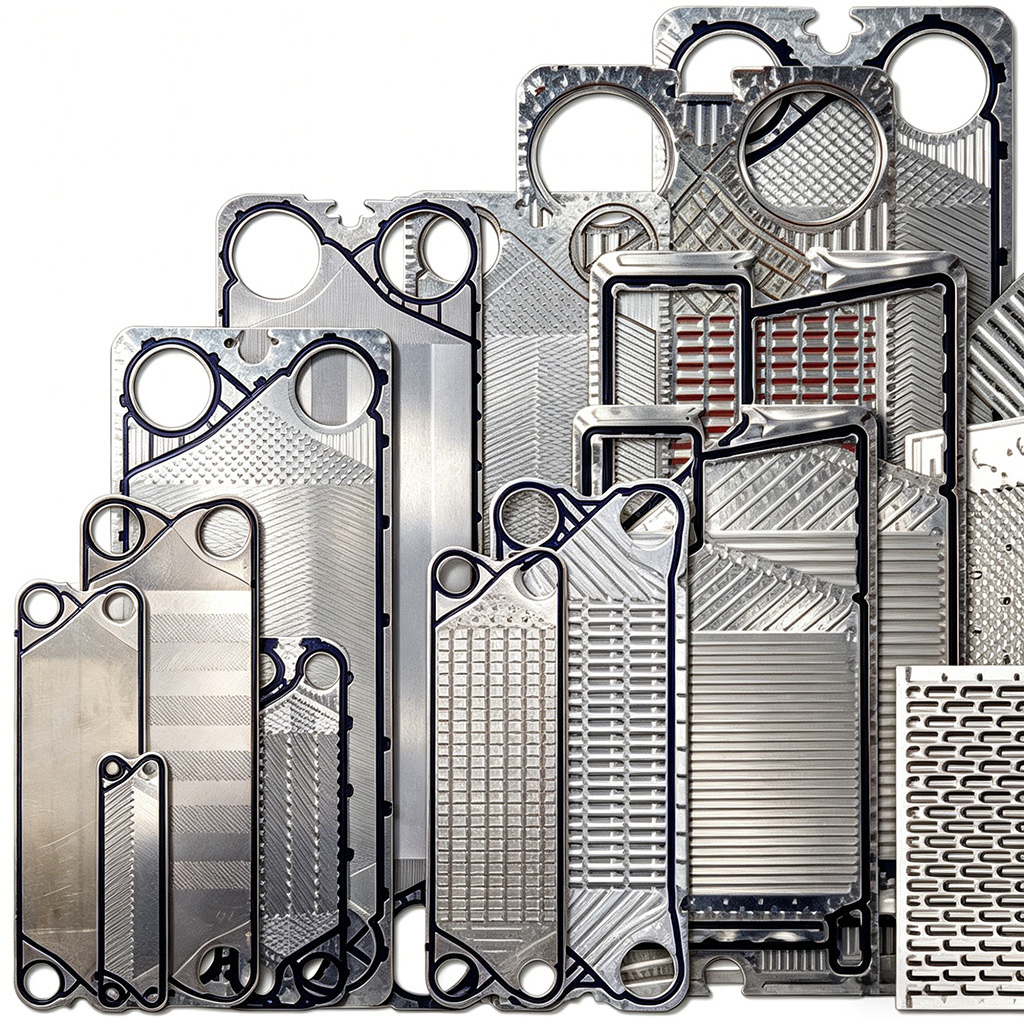
Heat Exchanger Spare Parts - Plates
The heat exchanger plates are the core heat transfer elements of a plate heat exchanger. Through their special corrugated structure and material, they achieve efficient heat exchange between hot and cold fluids, and directly determine the efficiency, pressure resistance, and corrosion resistance of the heat exchanger.
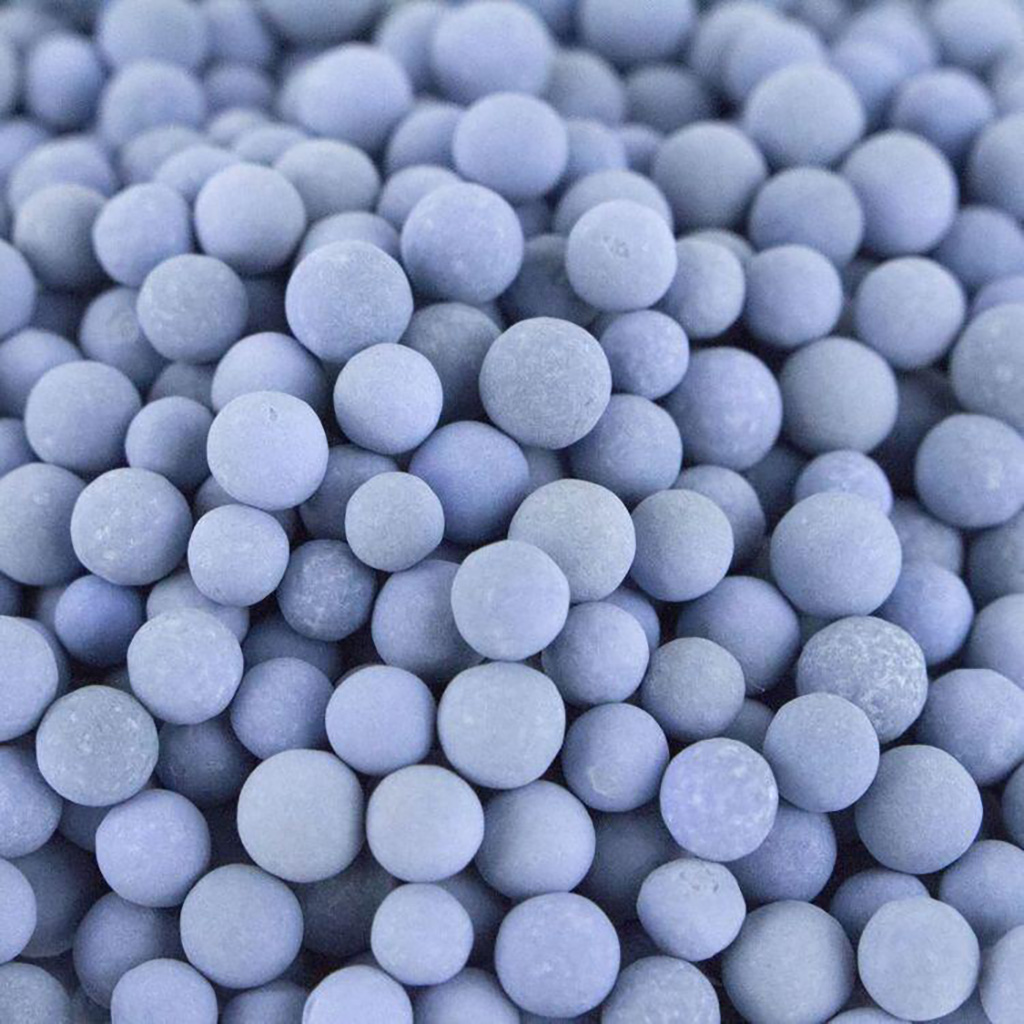
Cobalt-molybdenum catalyst
Cobalt-molybdenum catalysts (Co Mo) are the mainstream sulfur-resistant shift/hydrodesulfurization catalysts in industry. The core is the sulfided Co Mo S active phase, which is sulfur-resistant, has a wide temperature range, and high activity, and is widely used in hydrogen production, ammonia synthesis, and hydrorefining in petroleum refining.