Description: The conveyor belt is the core component of a belt conveyor, carrying the material and transmitting the traction force. It consists of a carcass (bearing the tensile force) and covers (wear-resistant protection). It is the most expensive and most heavily worn component of the whole machine, and can be joined into an endless loop by vulcanized splicing or mechanical belt fasteners.
Basic (Rubber Conveyor Belt)
1. Top cover: In contact with the material; wear-resistant and impact-resistant; 2. Carcass (strength layer): Bears the tensile force.
Divided into fabric plies (NN nylon, EP polyester) and steel cord (ST).
3. Bottom cover: In contact with the idler rollers and drums.
4. Edge rubber: shield the sides of the belt body against delamination and damage. Lightweight PVC/PU belt: Fabric core + PVC/PU coating, with no thick rubber layer.
Materials
1. Rubber conveyor belt (mainstream in heavy industry).
Cover rubber: Natural rubber (NR) and styrene-butadiene rubber (SBR); can be compounded for heat resistance, acid/alkali resistance, oil resistance, or flame retardancy.
Carcass.
NN nylon fabric: Good elasticity and impact resistance, but relatively high elongation.
EP polyester fabric: Low elongation, for long distances.
ST steel cord: High strength, for ultra-long-distance, heavy-load mining and port applications. PVC (Polyvinyl Chloride) (Lightweight) Lightweight, low cost, and flame retardant.
Temperature range 10–80°C; mostly used for light-duty underground and logistics sorting applications; poor impact resistance, not for large ore lumps.
PU (Polyurethane) Oil-resistant, easy to clean, and food-grade; for food and pharmaceutical applications; not resistant to high temperatures or heavy loads of large material.
Classifications
1. Ordinary fabric rubber belt: Coal, sand and gravel, and cement plants, at medium loads; 2. Steel cord conveyor belt (ST): For long-distance, high-capacity mining and port applications.
3. Heat-resistant conveyor belt: For conveying clinker and high-temperature sinter, resistant to 120–200°C; 4. Acid/alkali-resistant and oil-resistant conveyor belts: For chemical and oily materials.
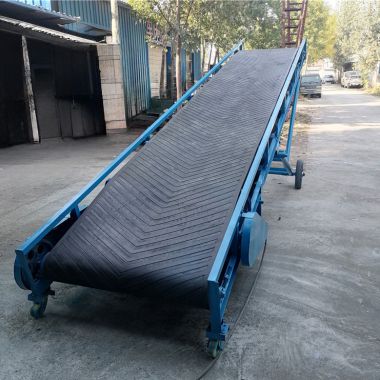
5. Flame-retardant PVC/PVG: For underground coal mines; fireproof and explosion-proof; 6. Patterned or sidewall belt for steep inclines: The large angle stop material from sliding back.
7. Lightweight PVC/PU belts: For food, packaging, and logistics lines. Scenarios. Mines, sand and gravel plants, power plants, ports: Rubber fabric belts or steel cord belts.
Underground coal mines: Flame-retardant PVG/PVC conveyor belts.
Cement clinker: Heat-resistant rubber belt. Chemical corrosion service: Acid/alkali-resistant rubber belts. Food and packaging sorting: PU and PVC lightweight beltsV.
Problems and Failure Modes
1. Belt misalignment and edge wear: The belt drifts to one side and the edge is scraped and worn by the frame.
Caused by non-parallel idlers or drums, off-center material loading, and uneven tension; long-term misalignment will tear the belt.
Surface wear and rubber loss: Excessive cleaner pressure, seized idlers that will not rotate, and material friction and impact.
The cover rubber thins. Longitudinal tear (serious failure): Metal debris sharp materials stuck in the chute sharp corners of idler roller brackets piercing the belt.
Once a tear occurs, the loss is enormous, and tear protection switches are often installed. Splice damage (weak point).
Vulcanized splice: Rubber separation, blistering, and delamination due to substandard vulcanization temperature and pressure.
Mechanical belt fastener: Loose or broken fasteners; not compatible with alloy cleaning scrapers. Delamination and blistering: Separation of the cover rubber from the carcass.
Caused by water ingress high temperature moisture and aging.
Slippage: Worn drum lagging or insufficient tension makes the belt rub against the drum and generate heat rapidly burning the bottom cover of the belt.
Aging and cracking: Prolonged exposure to sunlight, high temperature, and corrosive media causes the belt to harden and crack.
Key points for operation and maintenance: Regular inspections; cleaner pressure should not be excessive; centre the material feed to reduce misalignment.
Remove iron from sharp materials; splices are a key inspection point.



 Contact Us